
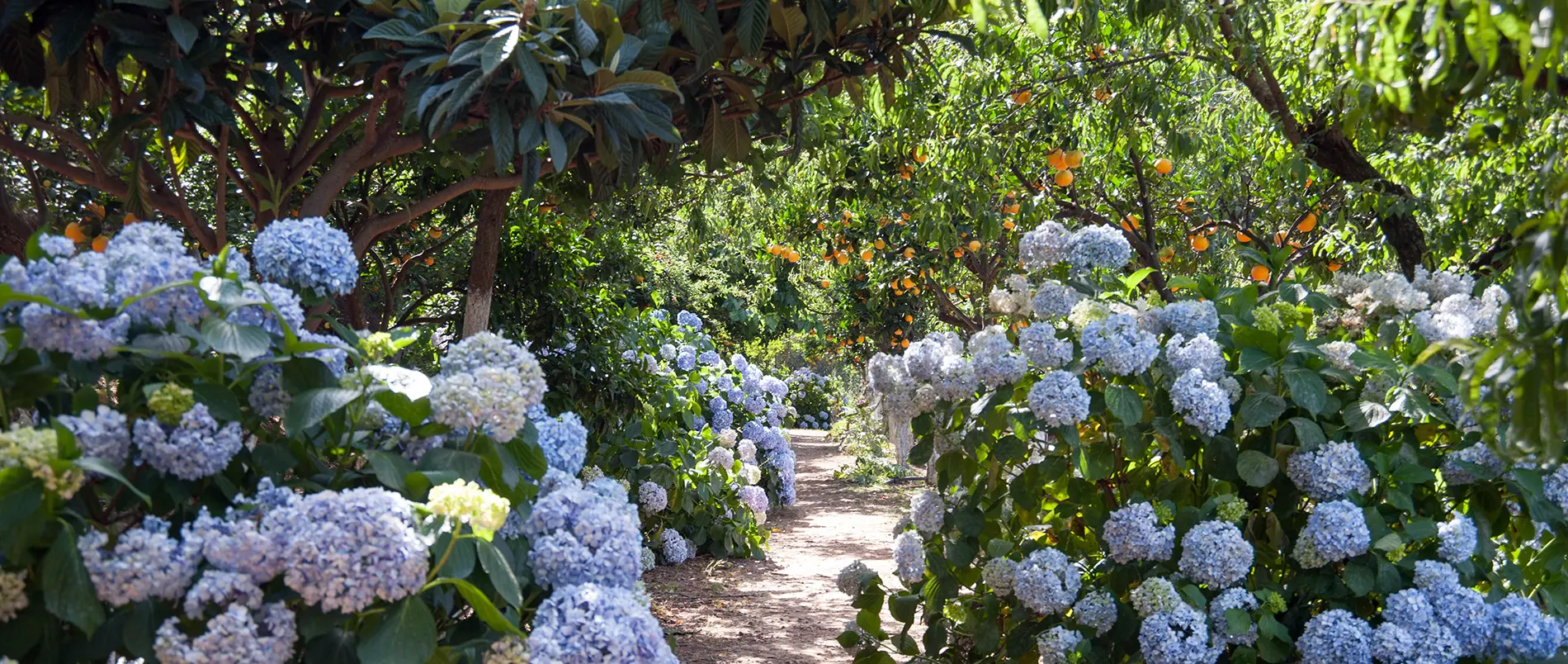
If you want to experience a greener, quieter side of western Crete, the Botanical Garden of Crete is one of the most rewarding places to include in your itinerary. Set in the foothills of the White Mountains, just outside Chania, it offers a very different rhythm from the harbour and the beaches. Instead of sea views and old streets, you find hillside paths, fruit trees, herbs, lake views and a landscape shaped by scent, shade and silence. The park is about 18 km from Chania and describes itself as spanning roughly 200 acres in a unique microclimate.
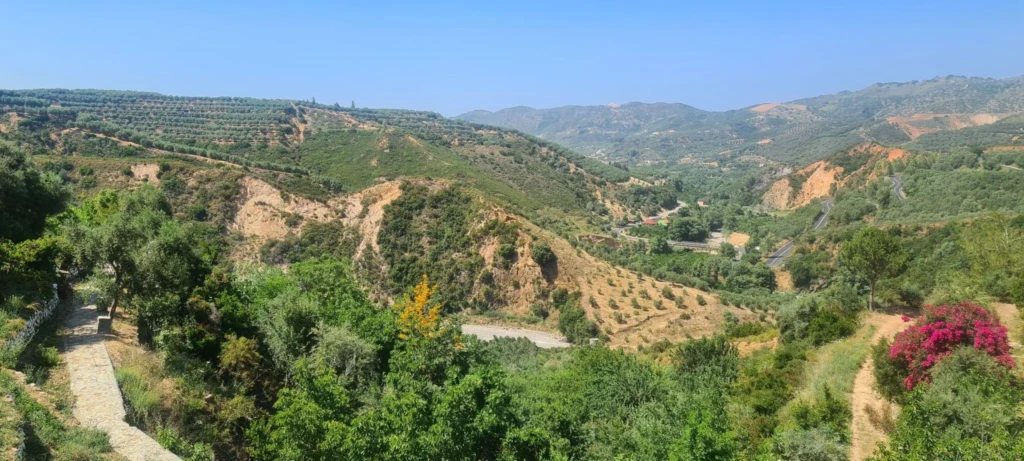
What makes the Botanical Garden of Crete especially appealing is that it is more than a simple garden visit. It feels like a half-day escape into the countryside, one that suits travellers who want to slow down and see another layer of Chania beyond the coast. The park’s own description presents it as a place of fruit trees from around the world, herbs, medicinal and ornamental plants, as well as local fauna, all shaped by the terrain and the region’s climate.
A Few Words About the Botanical Garden of Crete
The Botanical Garden of Crete was created after the devastating 2003 fire in the Skordalou area, with the project growing out of ecological loss into a new kind of landscape experience. The park’s official history explains that the idea began as a response to that destruction, turning the damaged land into a place of biodiversity and renewal.
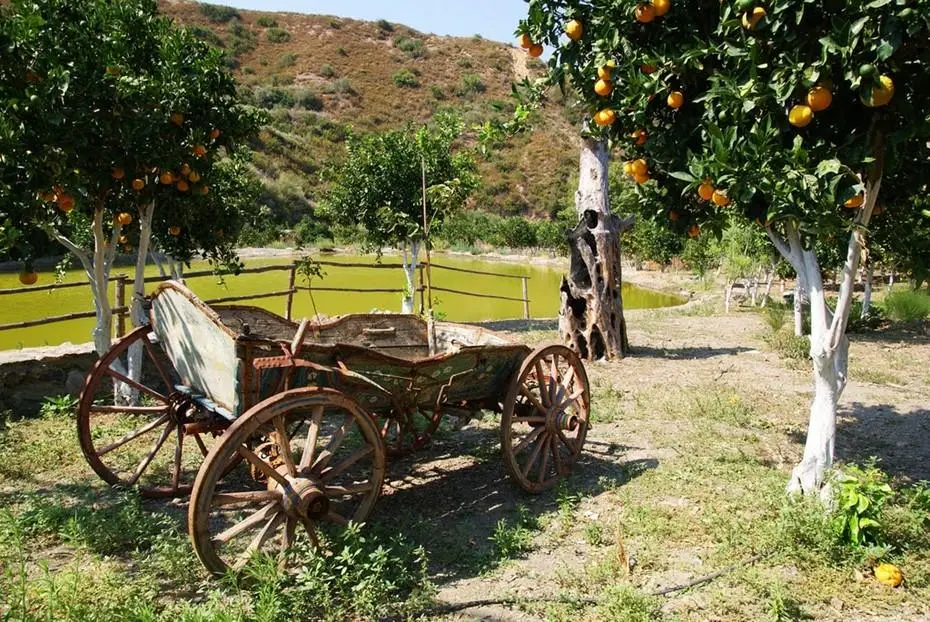
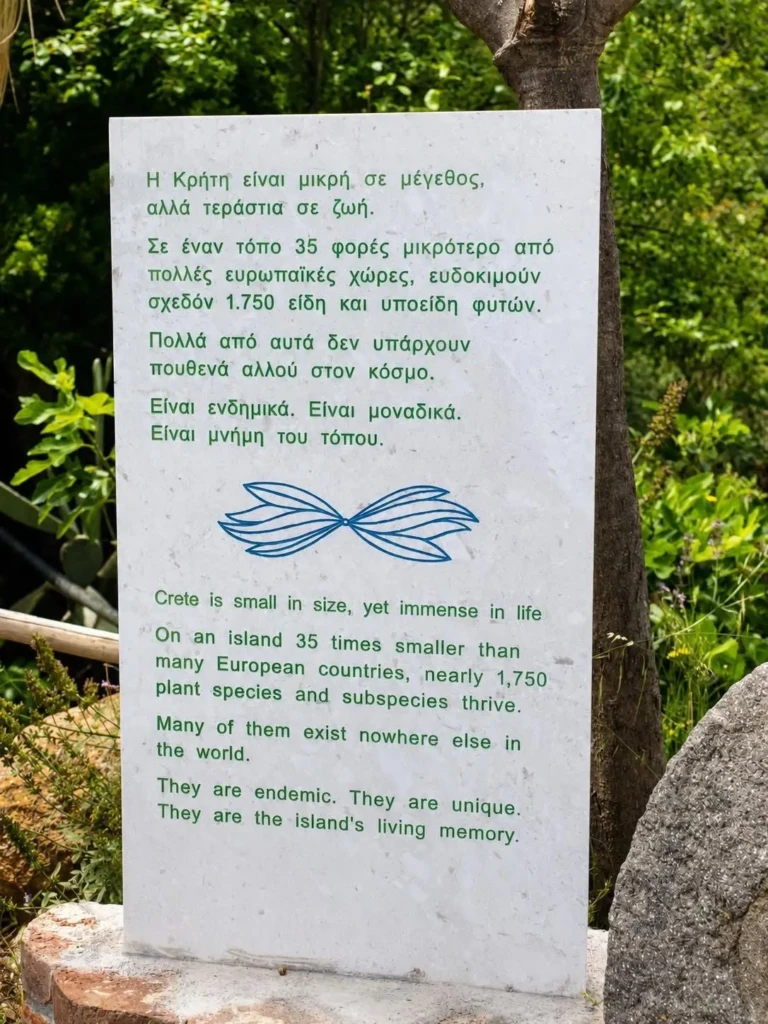
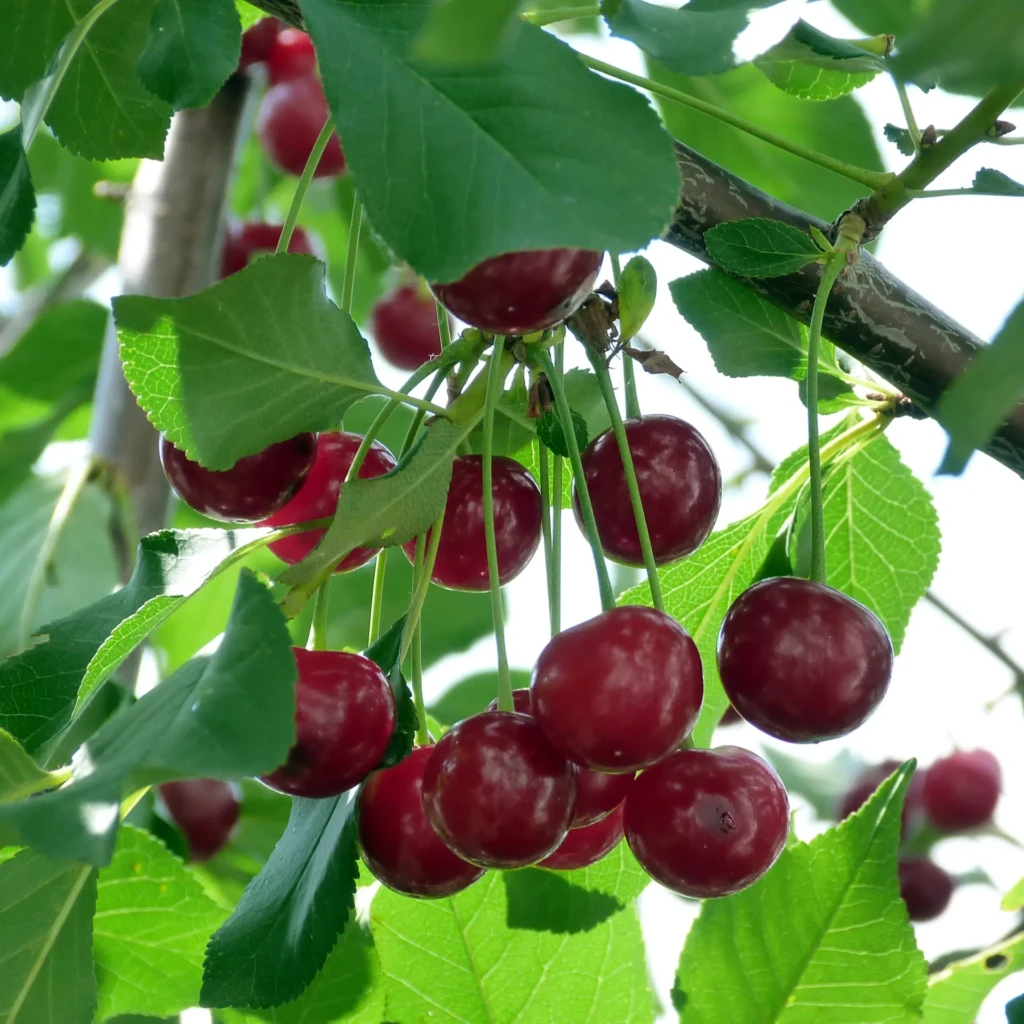
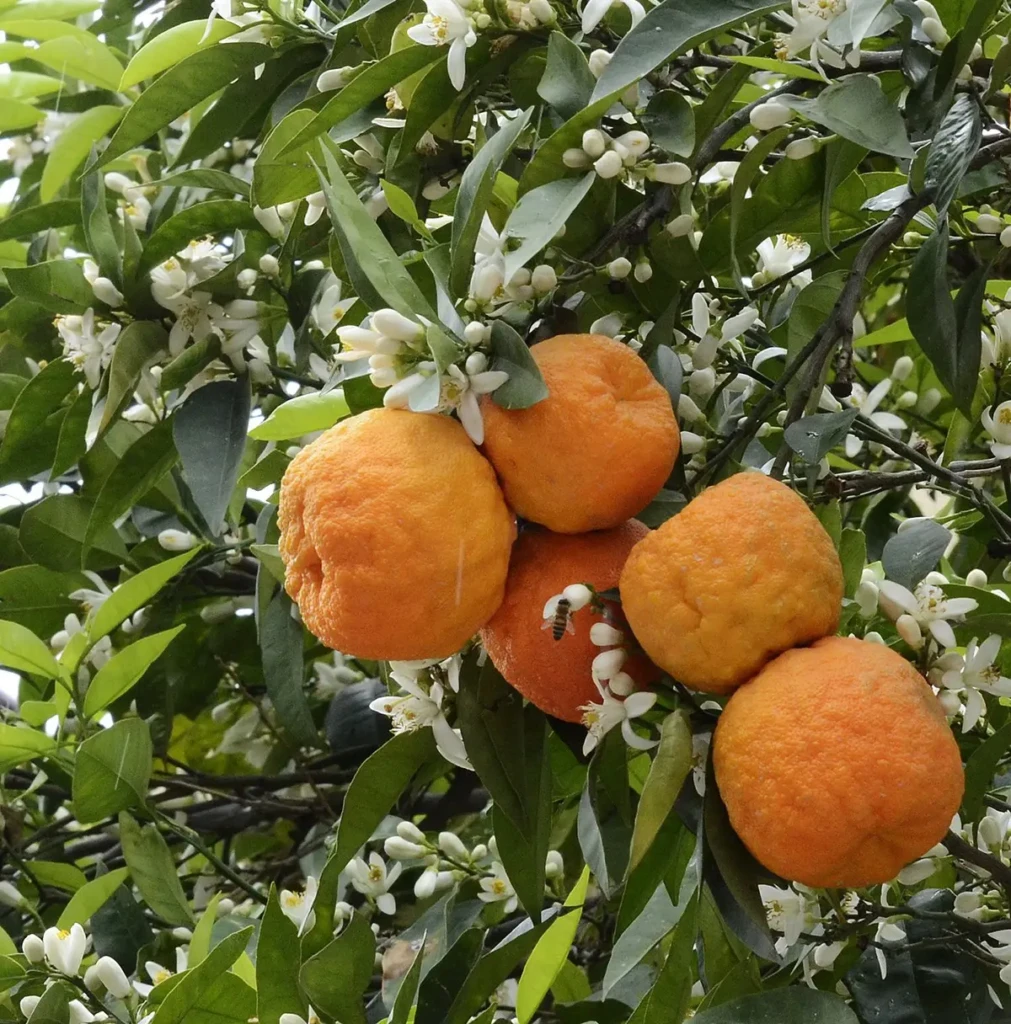
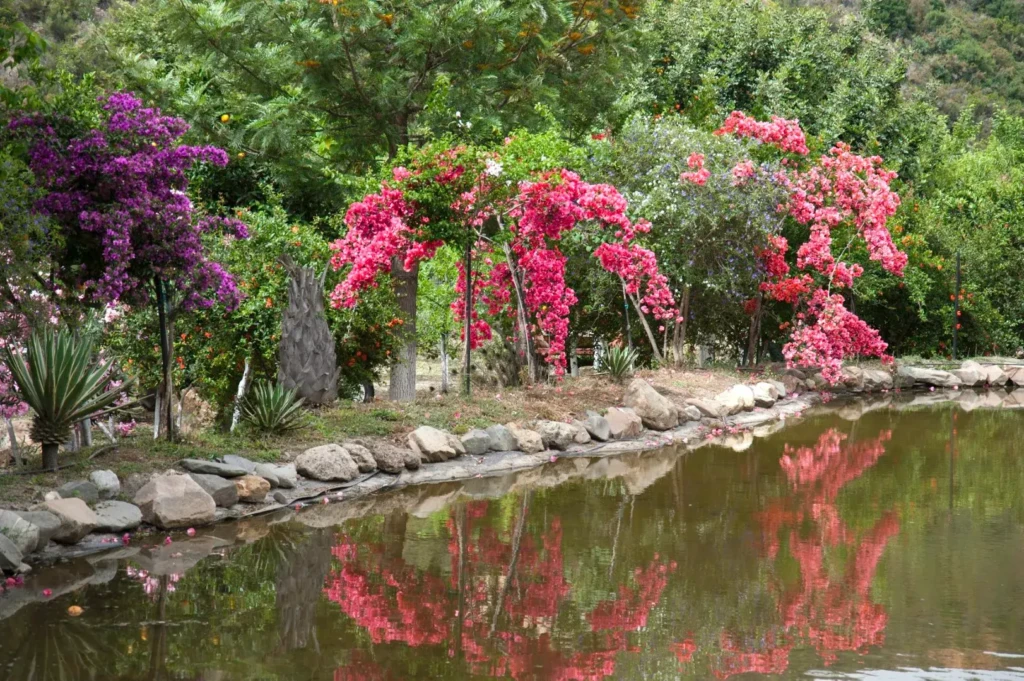
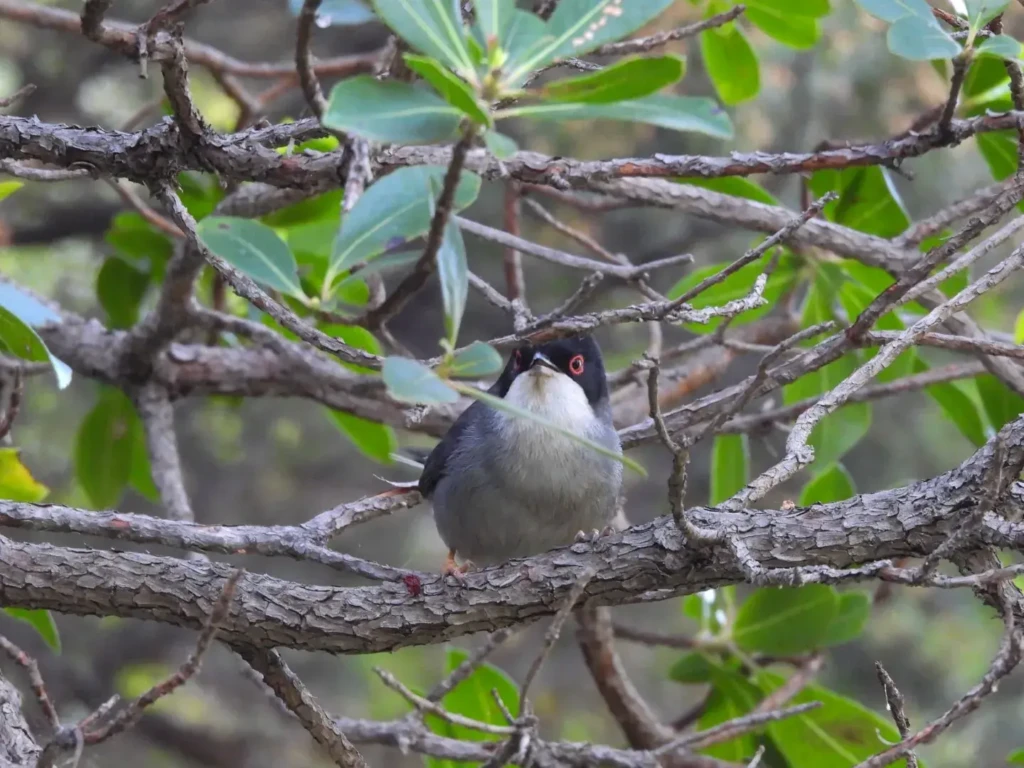
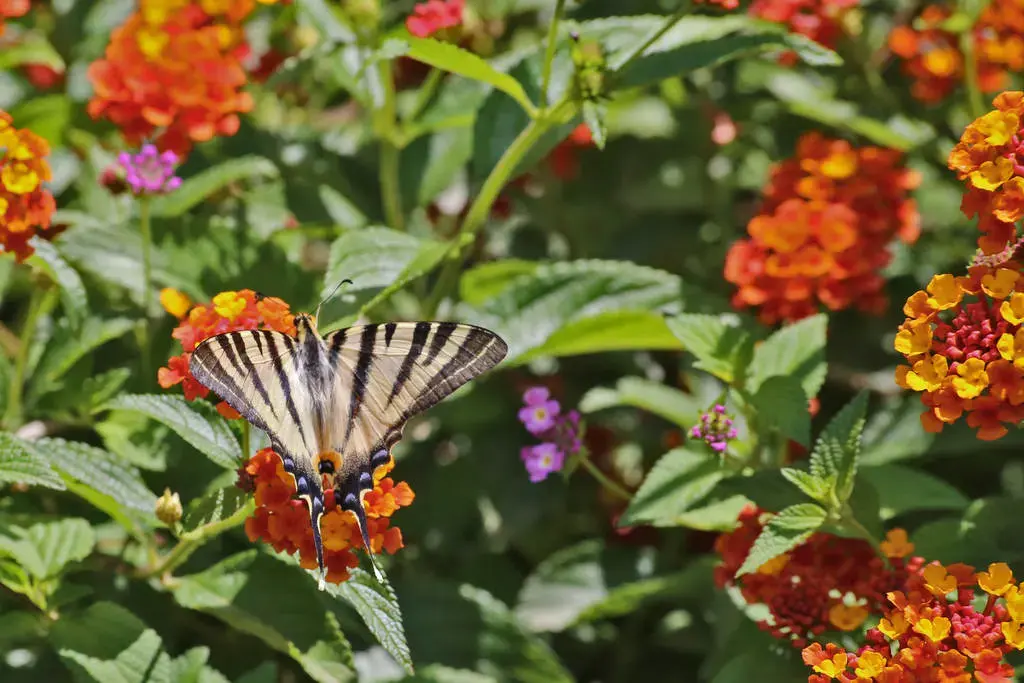
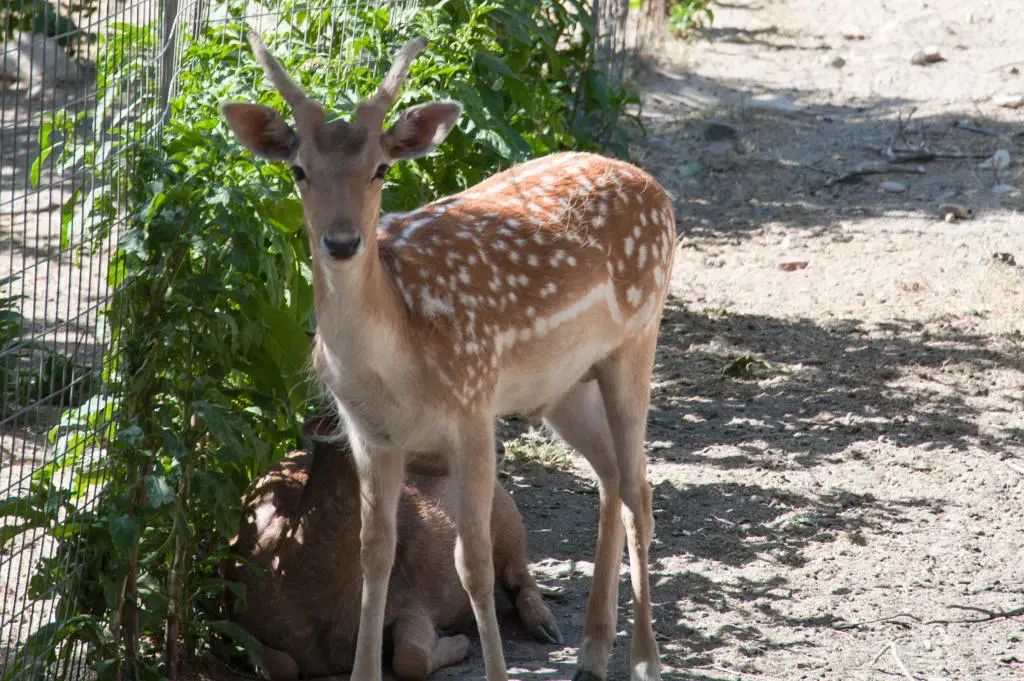
Today, the garden is organised around different plant worlds rather than a single flat park layout. The official flora and garden pages highlight Mediterranean herbs and aromatics, citrus, tropical plants, vineyards, fruit trees and cherry trees, while the fauna includes butterflies, wild birds, farm animals and a lake area. That gives the visit more depth than a standard ornamental garden.
How to Get to the Botanical Garden of Crete
Getting to the Botanical Garden of Crete is relatively easy if you are staying in Chania. The park’s official directions place it at the 18th km of the Chania–Fournes–Omalos road, about 25 minutes from Chania city centre.
By car
Driving is the easiest and most flexible way to reach the Botanical Garden of Crete. From Chania city centre, the park’s official directions say to head towards Omalos and Samaria Gorge, then turn right at Fournes towards Lakkoi–Omalos and continue for 2 km. The site also provides coordinates for drivers.
By bus or coach
The park’s official visitor instructions also list a daily return coach service from Chania to the Botanical Park at Fournes, with departures from Chania coach station and selected stops including Agioi Apostoloi, Stalos, Agia Marina and Platanias. The park notes that winter schedules may change, so timings should be checked before travel.
By taxi or private transfer
A taxi or private transfer is an excellent option if you want the day to feel relaxed from the outset. This suits couples especially well, as well as travellers who want to enjoy the garden and restaurant without thinking about the return drive. This is an inference based on the park’s inland location and the walking nature of the visit.
What You Will Find There
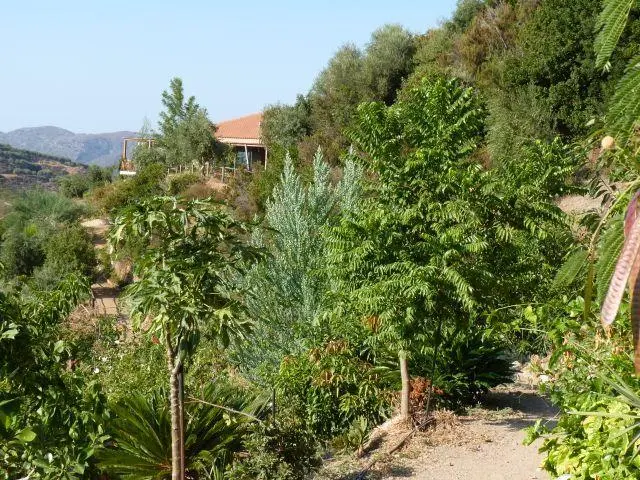
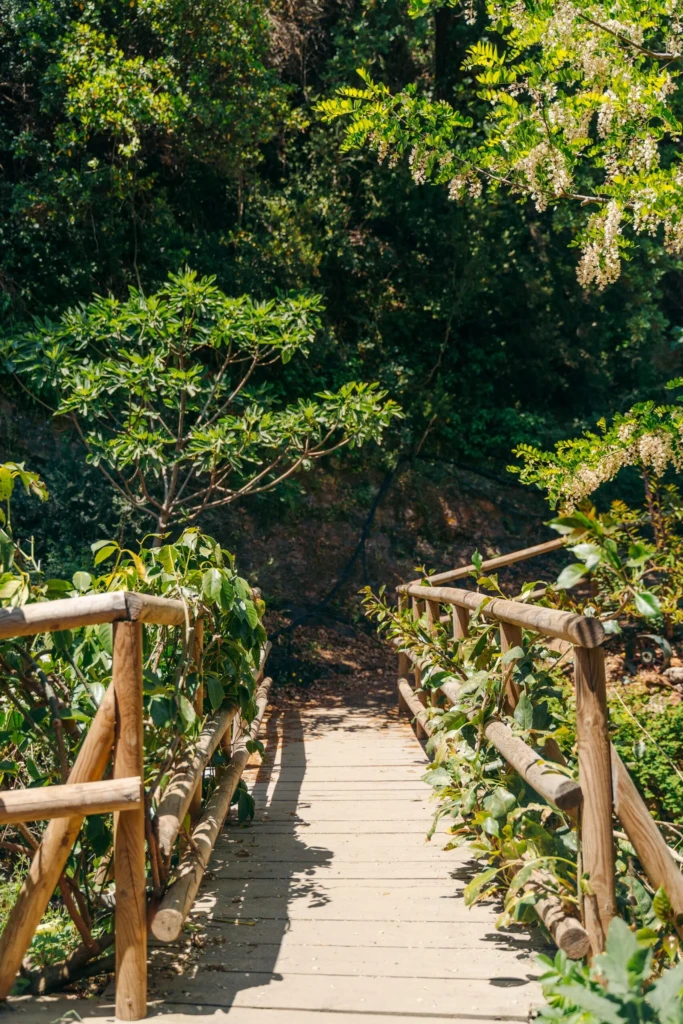
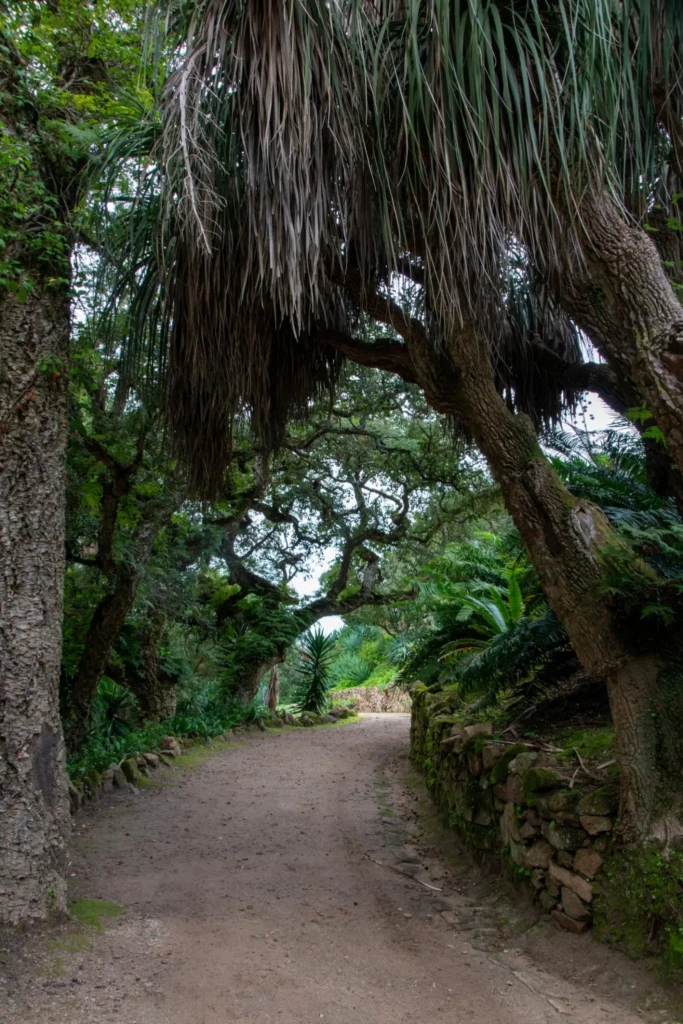
What you find at the Botanical Garden of Crete is a natural walking route through a hillside landscape rather than a formal flat garden. The official visitor page says the trail covers approximately 2.5 km and includes both ascending and descending sections before reaching the lake and then winding back towards the exit and restaurant.
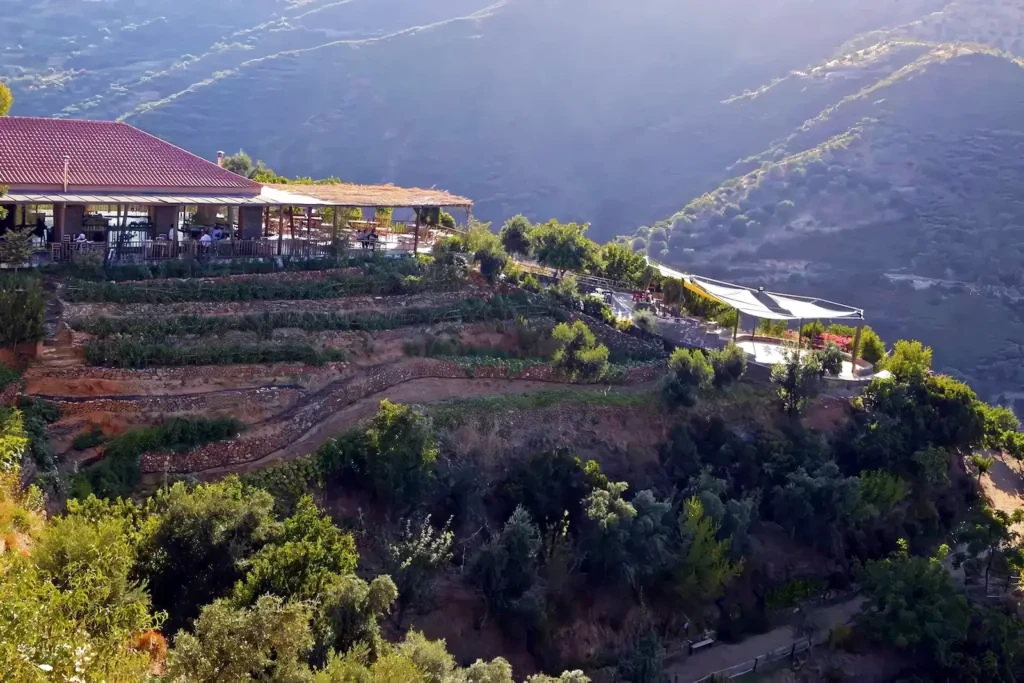
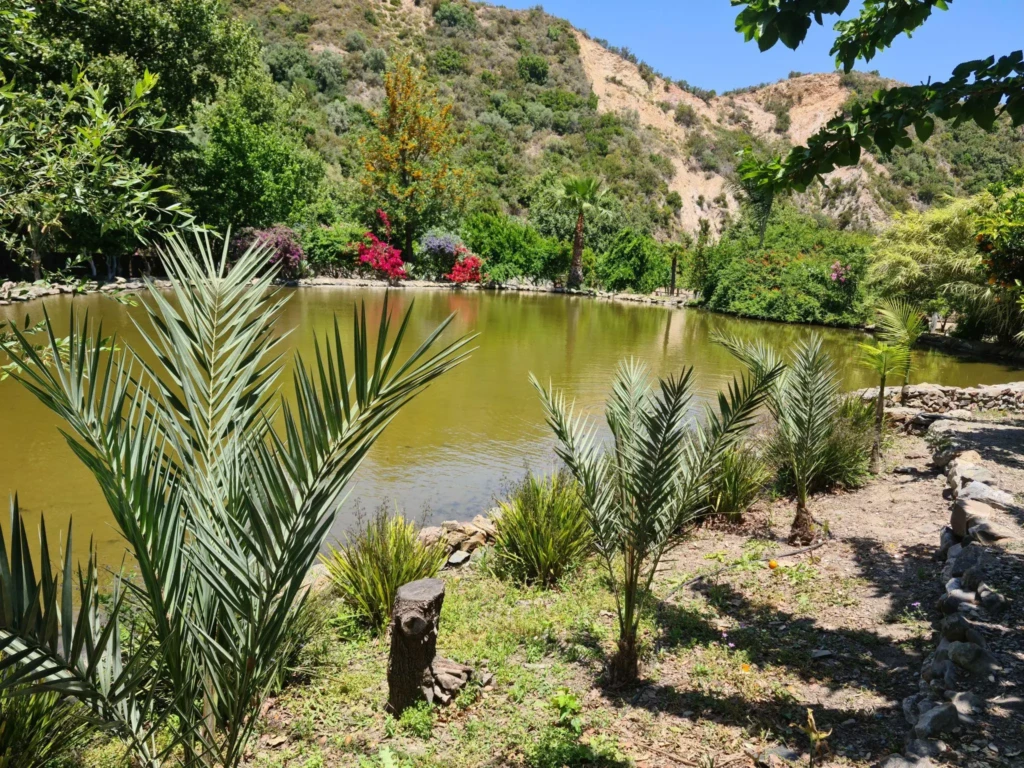
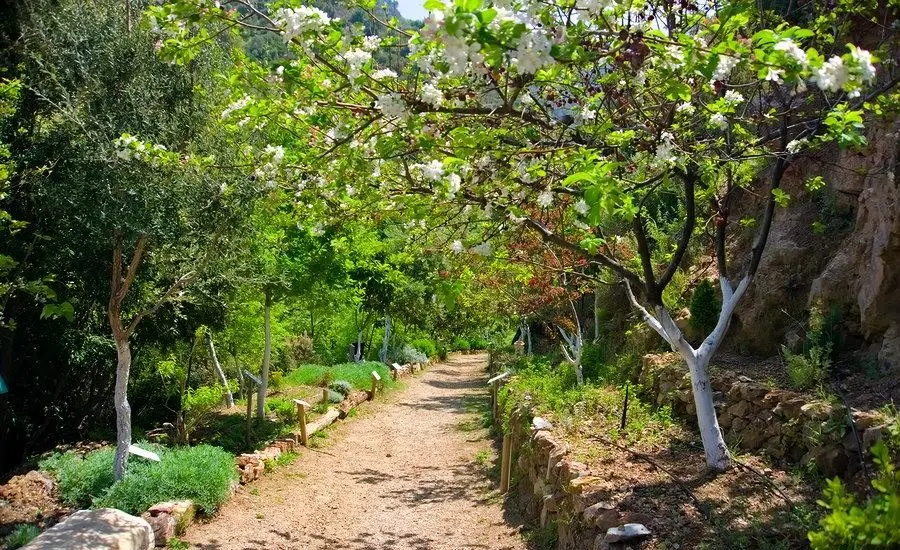
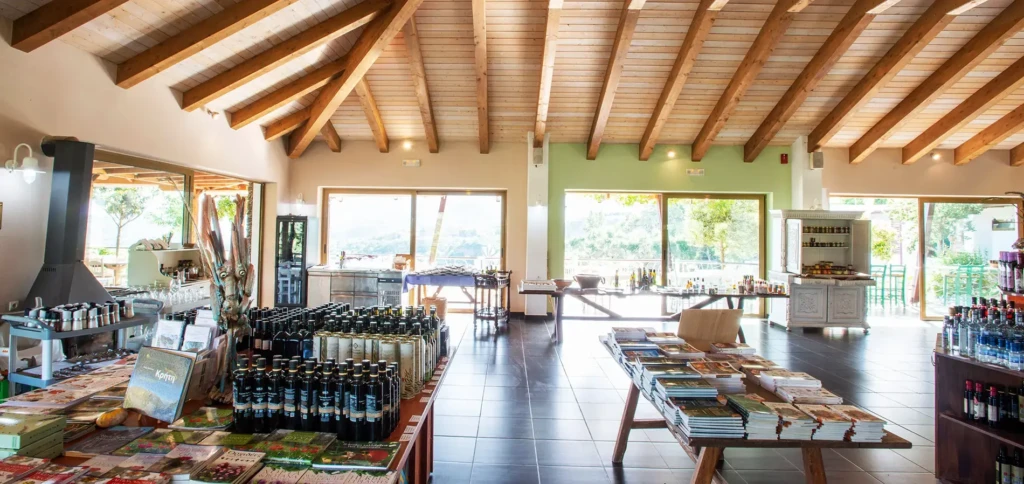
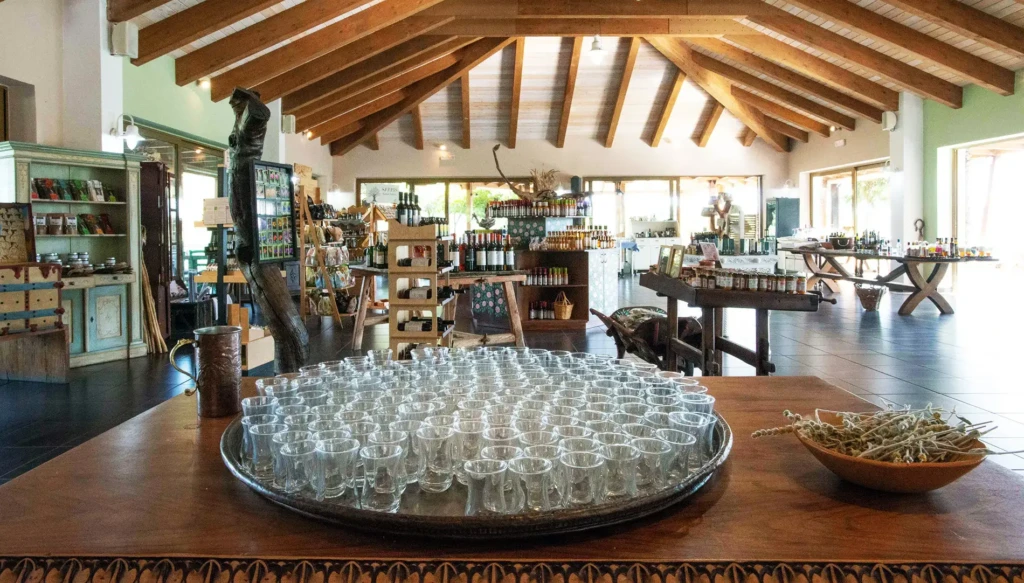
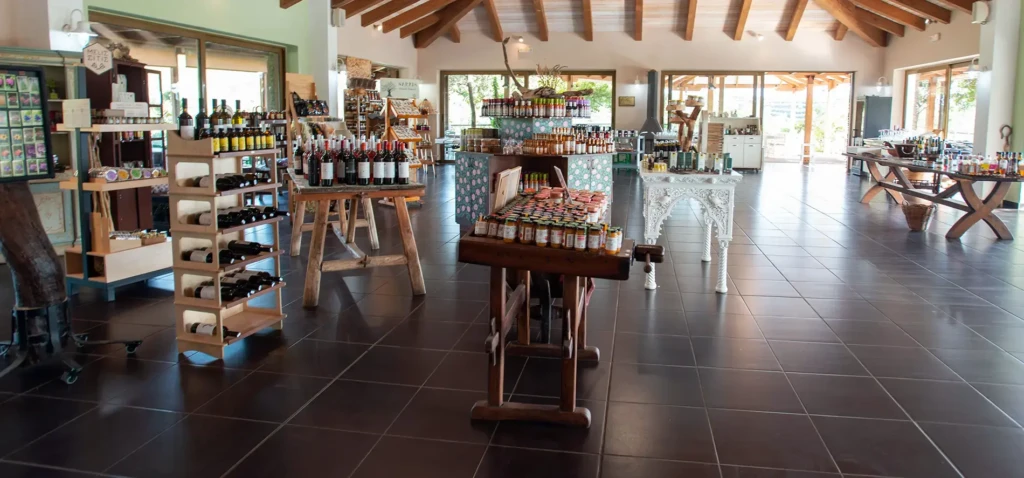
The park also includes several rest areas, a restaurant at the entrance with panoramic views, and a shop area with local products such as jams, spoon sweets, olive oil, wine, honey, vinegar, herbs and soaps. The overall effect is that the visit can be simple and self-guided, but still feel complete.
What the setting feels like
The atmosphere is one of the strongest reasons to come. The garden’s own text describes it as a place where “time stops” and where the experience is as much about listening, smelling and walking as it is about looking at labelled plants. That description is unusually fitting: this is a place that rewards a slower pace and a more sensory kind of visit.
What You Can Do at the Botanical Garden of Crete
One of the pleasures of the Botanical Garden of Crete is that the visit can be shaped in different ways, depending on how much time and energy you want to give it.
Walk the garden trail
The main thing to do is simply walk the route properly. The path is natural rather than heavily landscaped, and the park recommends comfortable shoes such as trainers. It also notes that the average visit takes around 2 to 2.5 hours, though there is no time limit on how long visitors can stay.
Explore the different flora sections
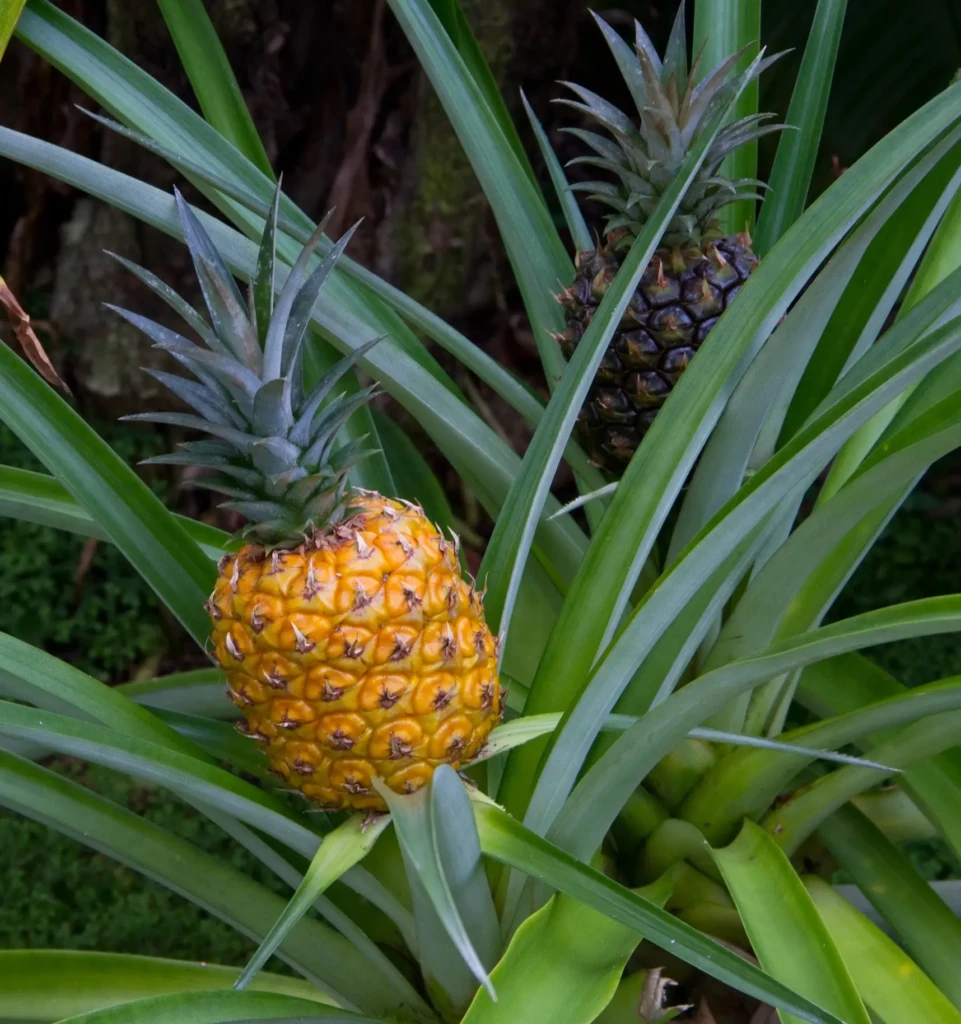
The garden is divided into different plant zones, including tropical trees, fruit trees, citrus, Mediterranean herbs and vineyards. That means the walk has variety rather than a single repeated landscape. It is particularly appealing if you enjoy seeing how climate and cultivation shift across one site.
Look out for fauna and the lake
The official garden page also highlights the fauna of the park, including butterflies, wild birds, farm animals and the lake. This gives the visit a broader natural feel and makes it appealing not only to plant lovers but also to families and slower-paced travellers.
Stay for lunch or a later meal
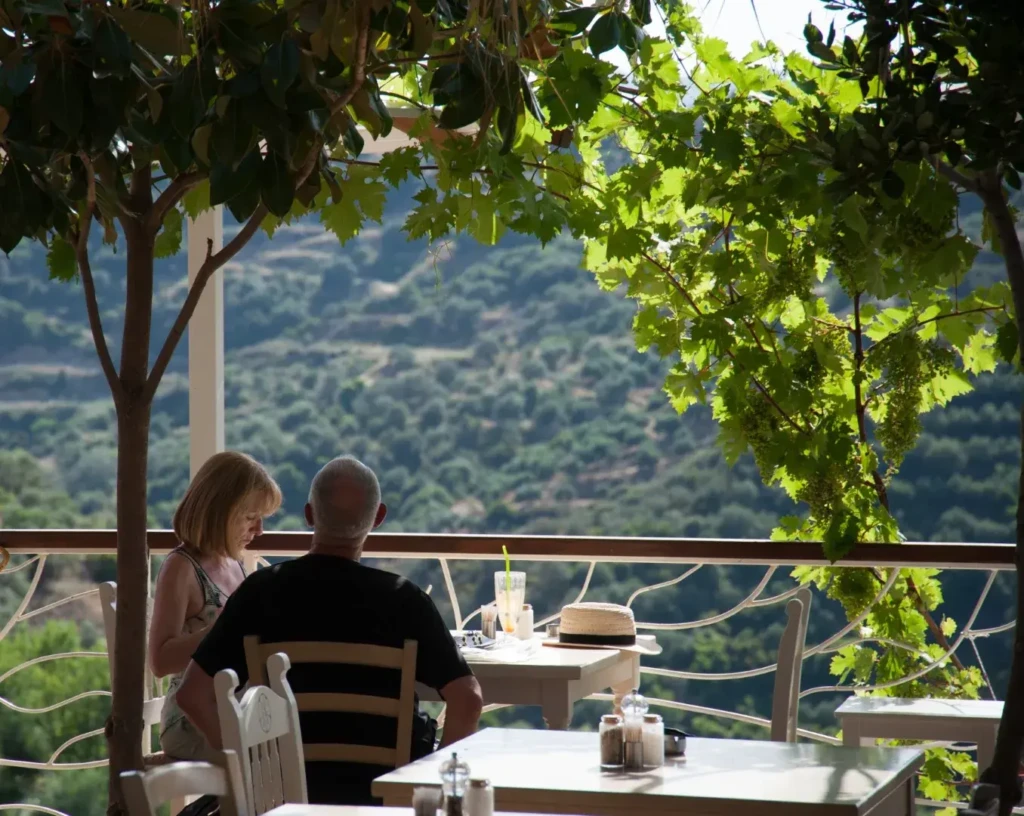
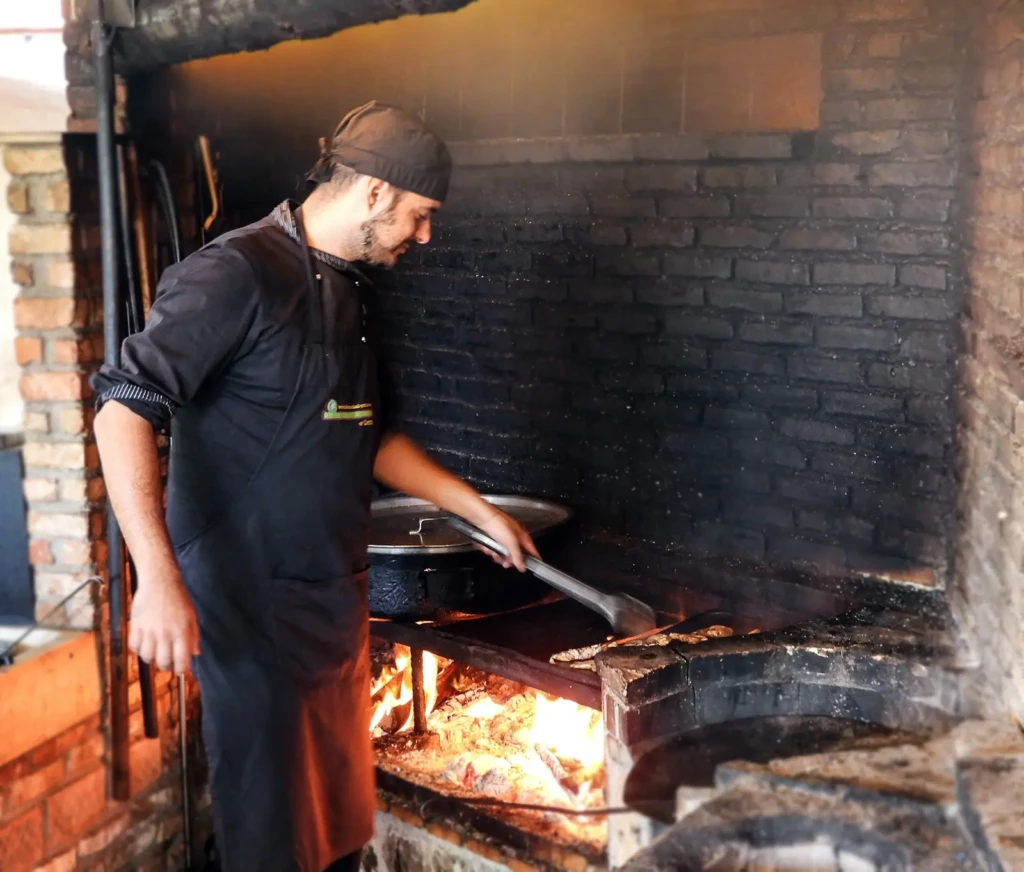
The restaurant is part of what makes the visit feel complete rather than rushed. The official visitor pages note that local cuisine is served until 18:00, and the restaurant sits at the entrance with panoramic views over the area. That makes it easy to turn the outing into a longer and more relaxed countryside experience.

Join a guided experience
The park also offers organised experiences, including a guided gastrobotanical walk lasting about 2.5 hours. This is a good choice if you want a more structured visit rather than simply walking the route on your own.
Practical Things to Know Before You Go
The Botanical Garden of Crete is open daily from early March to the end of November, from 09:00 in the morning, and last entry is two hours before sunset. The official site advises that the best times for a walk are early morning and late afternoon, especially in summer. Dogs are not allowed in the gardens themselves because of the ecosystem, though they are allowed in the restaurant area.
Because the route is natural and includes some steep sections, this is not the best stop for anyone expecting a completely flat or effortless stroll. It is much better approached as a scenic countryside walk than as a formal urban garden.
Why the Botanical Garden of Crete Is Worth Visiting
The reason the Botanical Garden of Crete stands out is not only the diversity of plants, but the way the whole experience is framed by inland Chania. It gives you a more textured view of the region, one that moves beyond beaches and town streets into foothill landscapes, local flora and a quieter pace.
It also works particularly well for couples, for slower travel, and for anyone building a more balanced Chania itinerary. If your idea of a good outing includes nature, scenery and a sense of stepping away from the coast for a few hours, then the Botanical Garden of Crete is a very strong choice. This last sentence is an editorial judgement based on the park’s official visitor information and layout.
Final Thoughts
If you are looking for a greener and more peaceful inland experience near Chania, the Botanical Garden of Crete is well worth your time. With its hillside walking trail, rich variety of plants, panoramic restaurant and calm mountain-foot setting, it offers far more than a simple garden visit.
This is where you come to slow down, enjoy the landscape and experience another side of western Crete. Not through the harbour or the beach, but through trees, herbs, mountain light and a quieter kind of beauty.
If you would like to visit the Botanical Garden of Crete with greater ease and comfort, TAXI GO can arrange your transfer or private tour by taxi or minivan from Chania and the surrounding area. It is a smooth and reliable way to enjoy a more relaxed countryside outing, allowing you to focus on the gardens, the landscape and the day itself without worrying about the journey.