
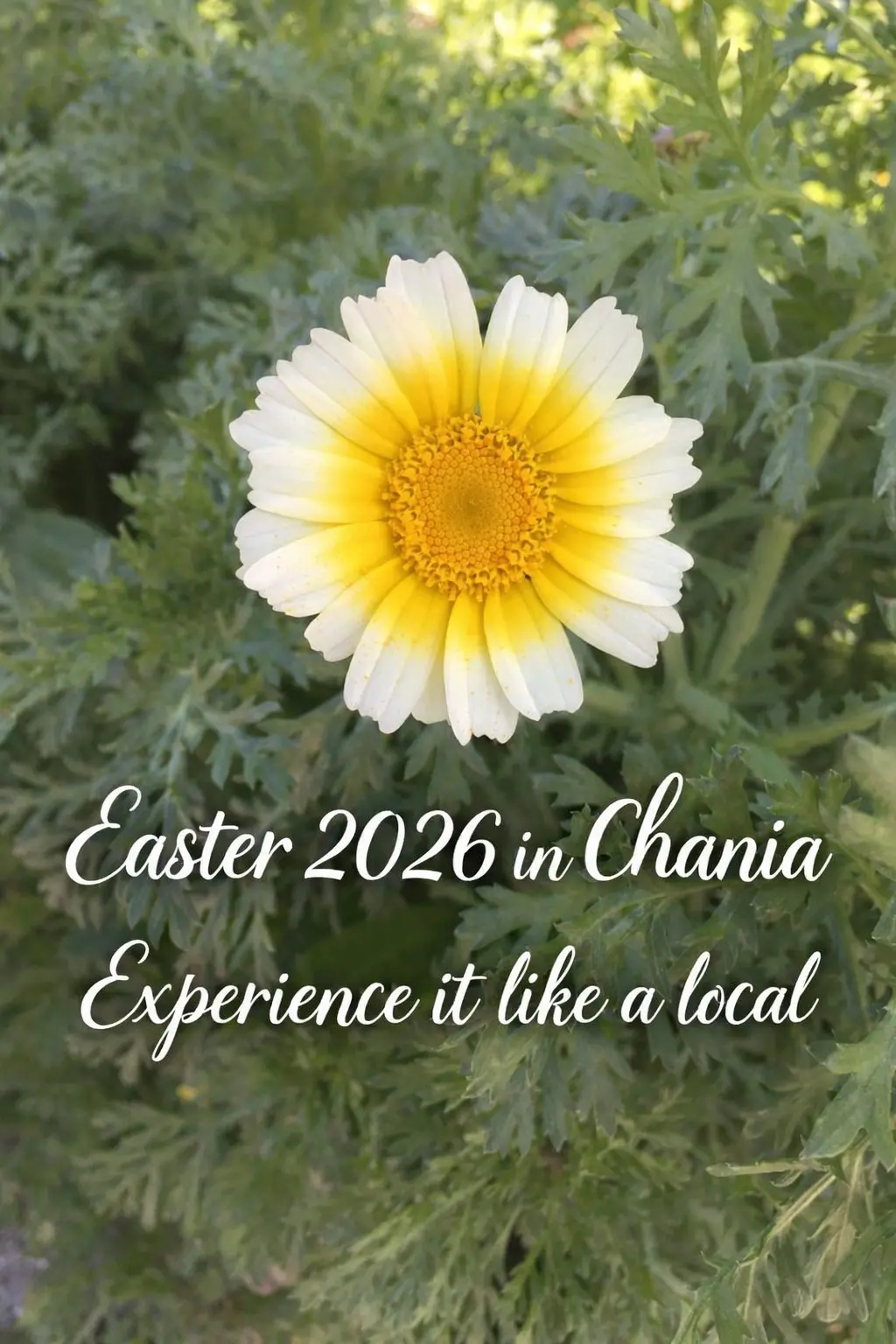
There is a particular atmosphere to Easter in Chania that feels both solemn and deeply beautiful. The city slows, church bells echo through the old quarters, flower-covered Epitaphios processions move through candlelit streets, and villages across the region prepare for one of the most meaningful celebrations of the year. In Crete, Easter is not simply a religious festival or a long weekend. It is a time shaped by devotion, family, food, memory and local tradition, and in Chania, that experience feels especially rich.
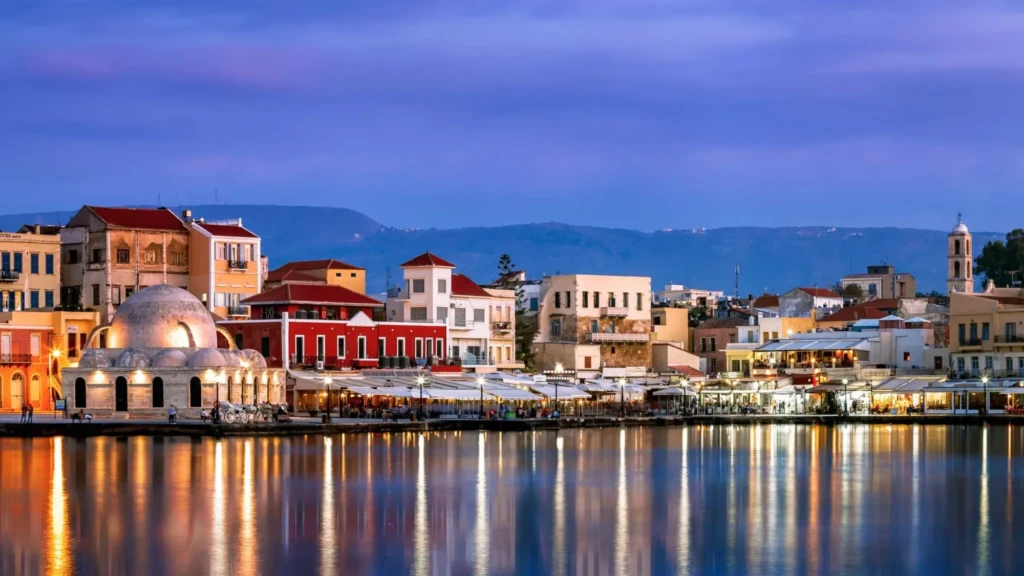
If you want to experience Easter in Chania in a more meaningful way, it helps to follow the rhythm of each day rather than treat it as a packed sightseeing schedule. Good Friday carries a quieter, reflective mood, Holy Saturday gradually opens into anticipation and light, and Easter Sunday becomes a celebration of food, music and village life. From the traditional market at Voukolies to the Epitaphios at Trimartiri, from a leisurely walk around the Old Venetian Harbor of Chania to the Resurrection service in a village such as Skines, these days reveal a more intimate and culturally layered side of the region.
The Spirit of Holy Week in Chania
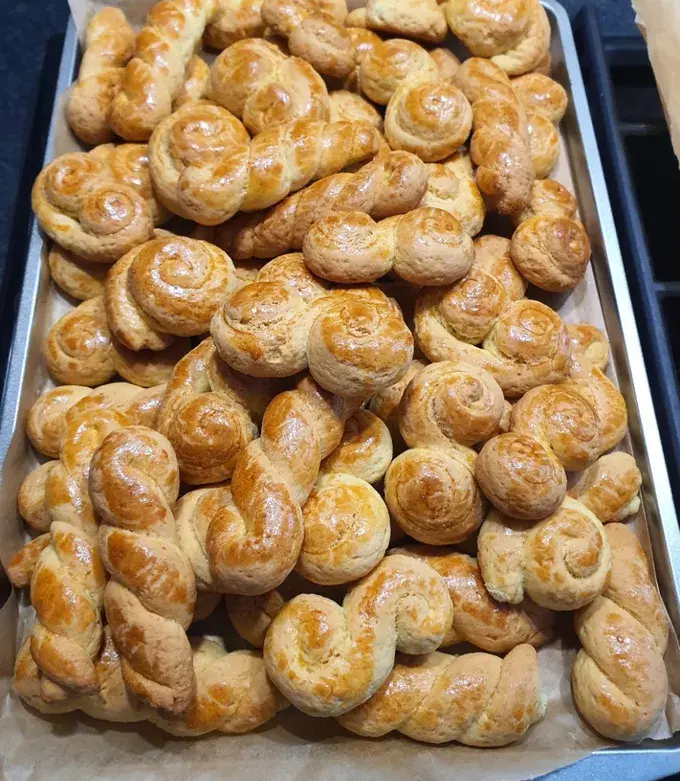
Holy Week in Chania brings together city ritual and village custom in a way that feels particularly moving. In the town itself, churches become the centre of public devotion, while in the countryside and mountain villages the traditions feel more communal and deeply rooted in local life. Throughout the week, homes prepare red-dyed eggs and Easter bread, churches hold the services of Holy Week, and villages begin building the bonfires for the burning of Judas on Holy Saturday night.
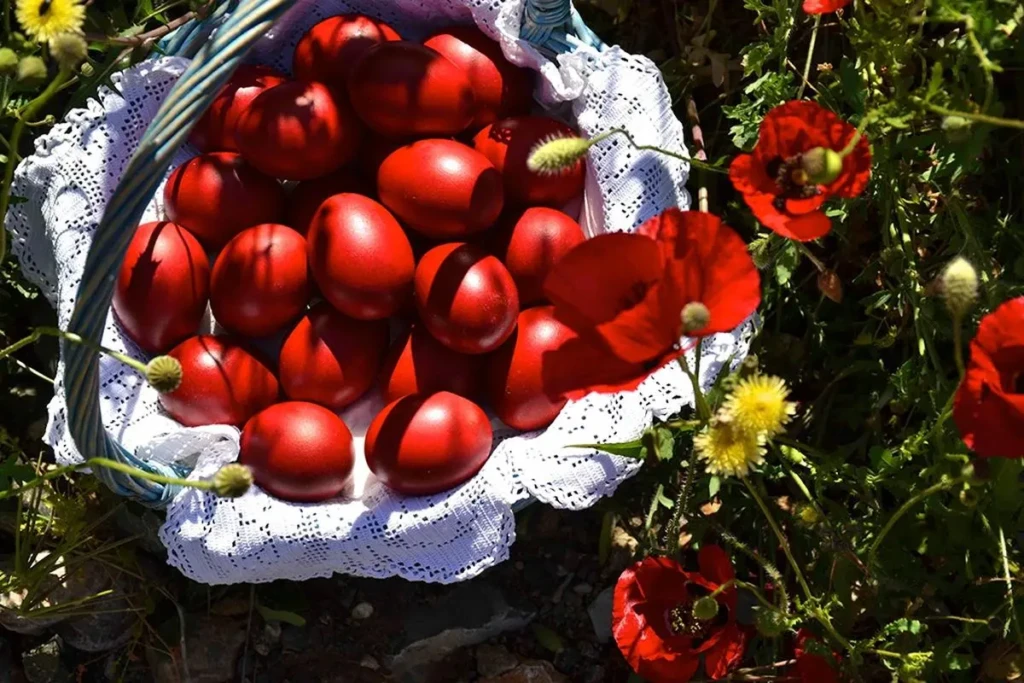
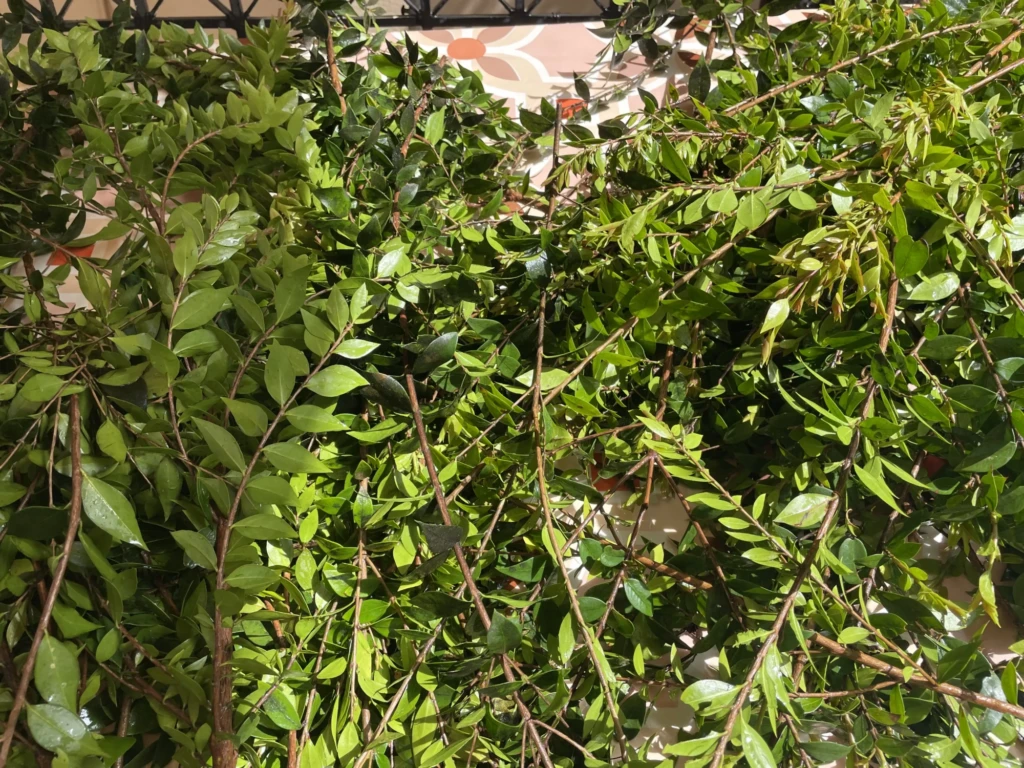
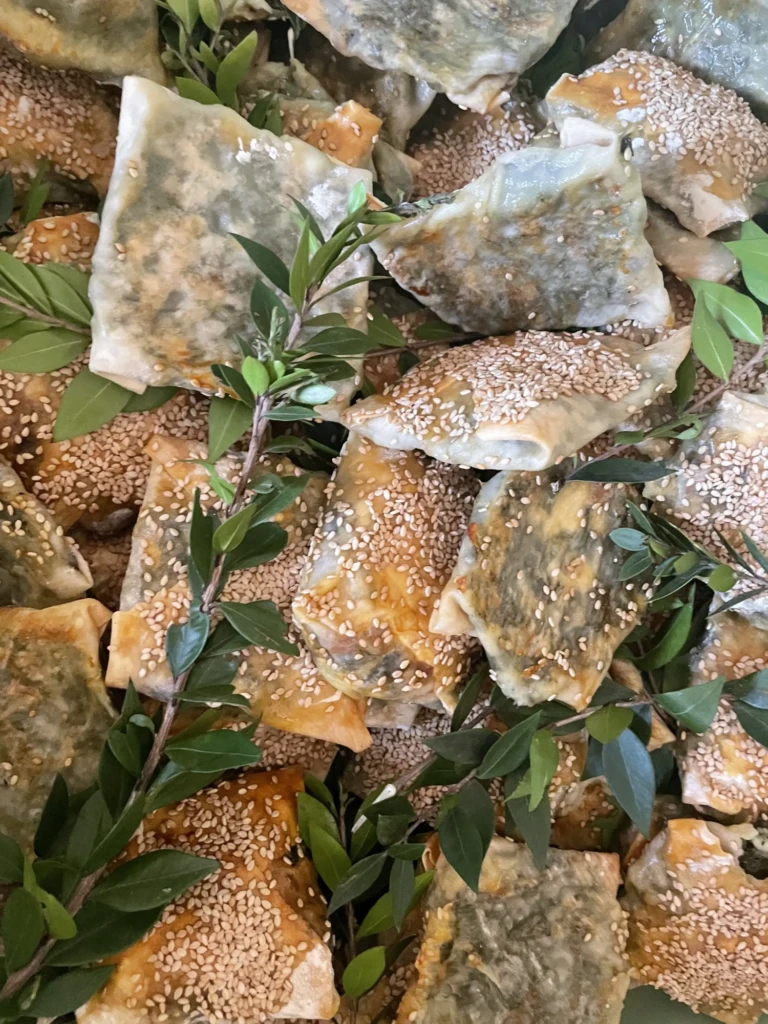
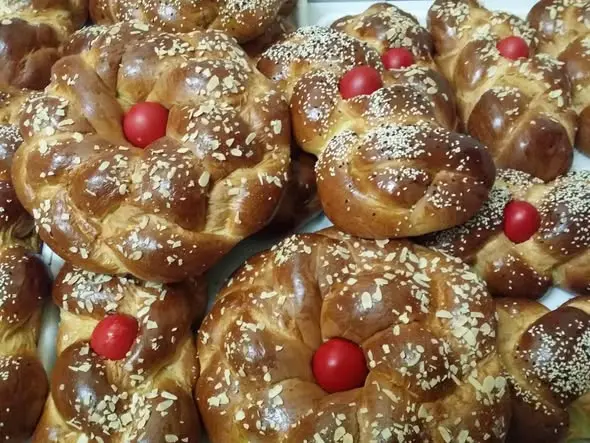
This contrast between the elegance of the town and the warmth of village life is one of the reasons Easter in Chania is so memorable. You can begin the day in a historic urban setting and end it in a churchyard where firelight, bells and local custom make the celebration feel intensely alive. It is one of the most rewarding times to experience Chania beyond its summer image.
Good Friday Morning: The Market at Voukolies
For Good Friday morning, one of the most characterful experiences is the traditional market at Voukolies. This historic bazaar is one of the best-known rural gatherings in the Chania region and has long been associated with local trade, produce and a more old-fashioned sense of community life. It offers a different mood from the Old Town, quieter and more grounded, and gives you a glimpse of inland Chania during one of the most important weekends of the year.
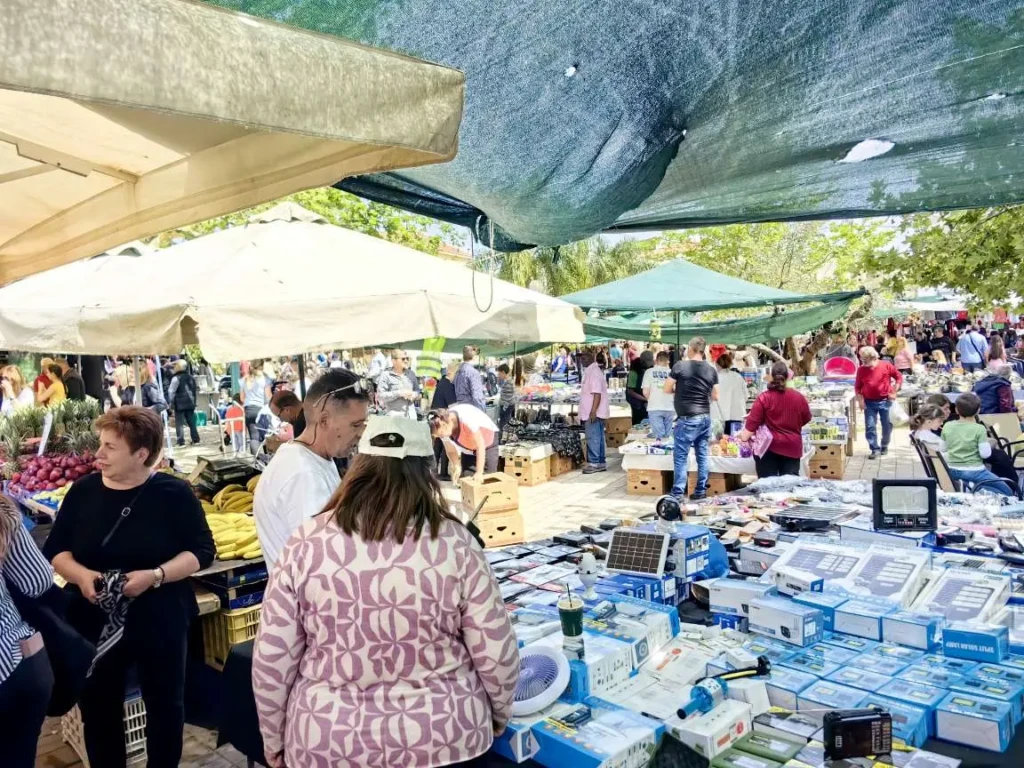
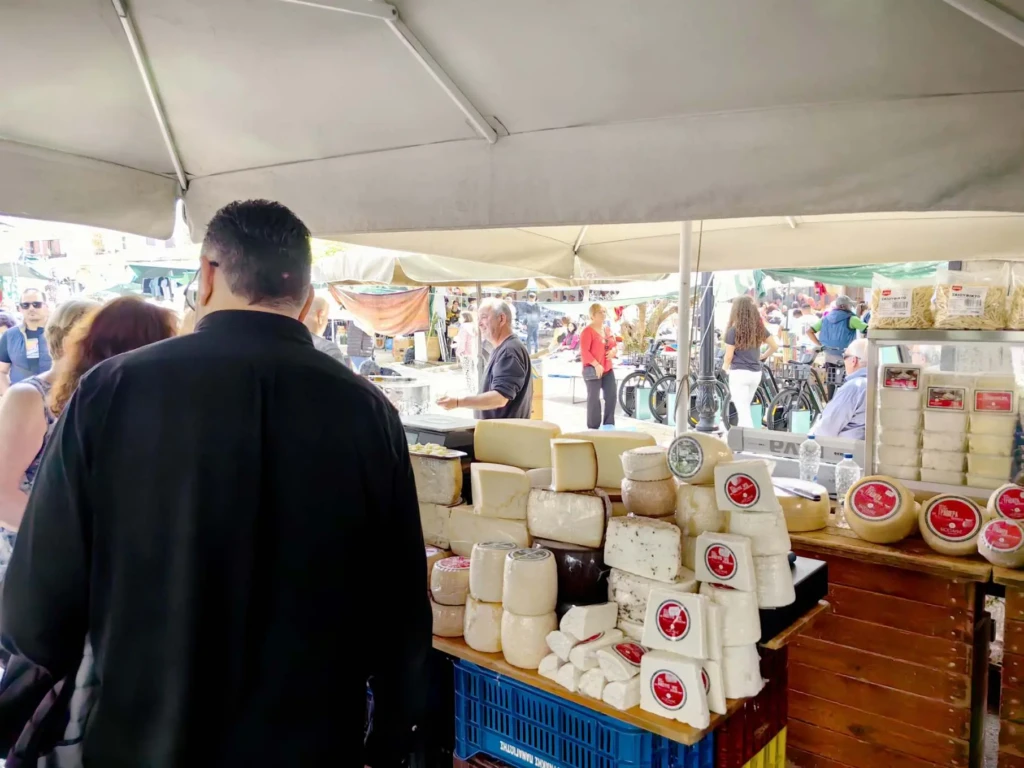
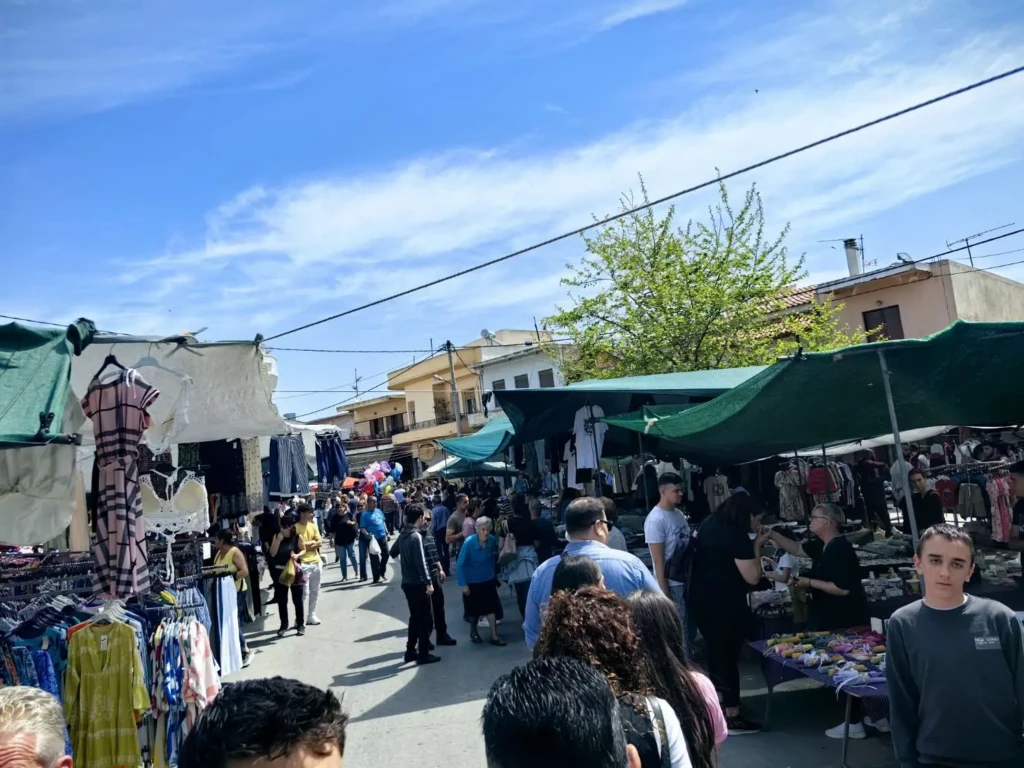
It is an especially good choice for the morning because it adds texture to the day before the evening’s more solemn observances. You can wander through the market, stop for coffee, observe the local rhythm and take in the atmosphere of a village-centred Easter tradition that still feels connected to everyday life.
Good Friday Evening: Epitaphios at Trimartiri
In the evening, return to the centre of Chania for the Epitaphios procession at Trimartiri, the Cathedral of the Presentation of the Virgin Mary, which stands in the heart of the Old Town. This is one of the most atmospheric moments of Easter in Chania, as the flower-covered bier moves through the streets and the city takes on a hushed, reverent mood.
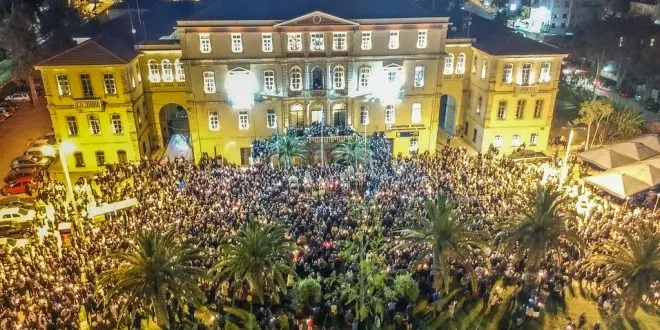
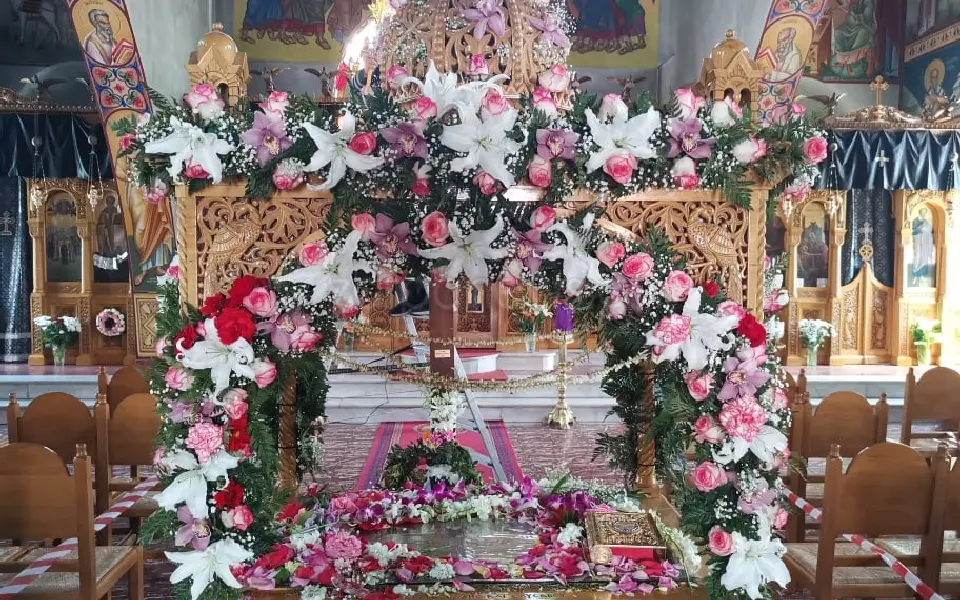
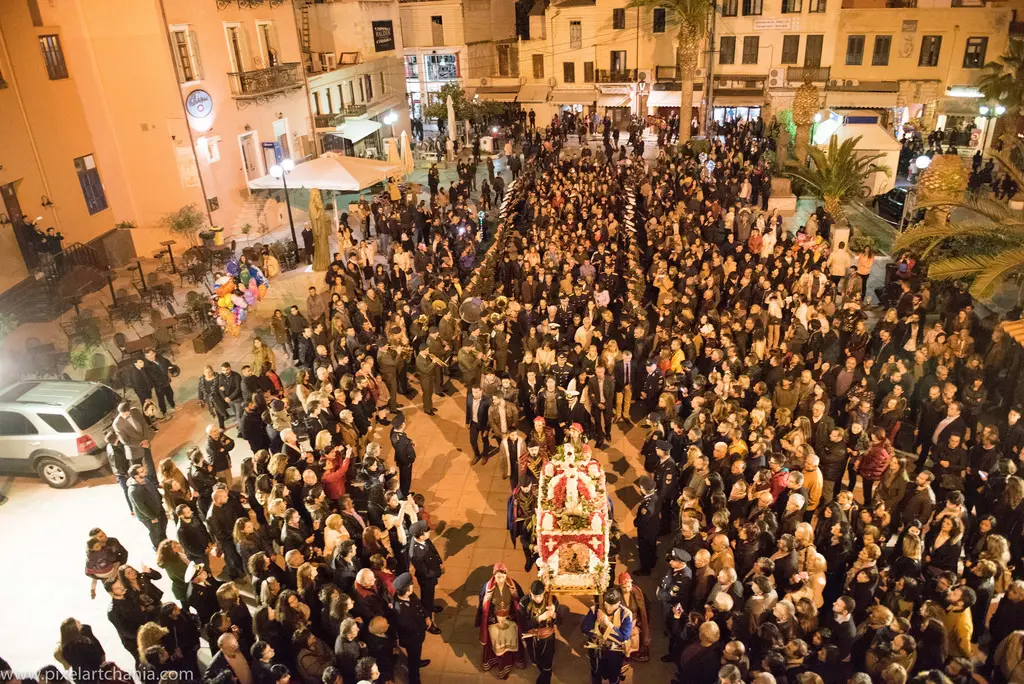
The setting makes the experience even more memorable. Around Trimartiri, the old urban fabric of Chania, with its layered Venetian and Ottoman heritage, creates a deeply evocative backdrop for Good Friday night. Candlelight, hymns and the slow movement of the procession transform the centre into something far more contemplative than its usual daytime character. It is not simply a religious event to watch, but one of the moments that most clearly conveys the emotional depth of Easter in Crete.
Holy Saturday Morning: A Walk Around the Old Venetian Harbor of Chania
By Holy Saturday morning, the mood begins to soften. This is a lovely time for a gentle walk around the Old Venetian Harbor of Chania, when the sea light, harbour façades and slower pace of the morning create an easy transition between the solemnity of Good Friday and the anticipation of the Resurrection later that night.
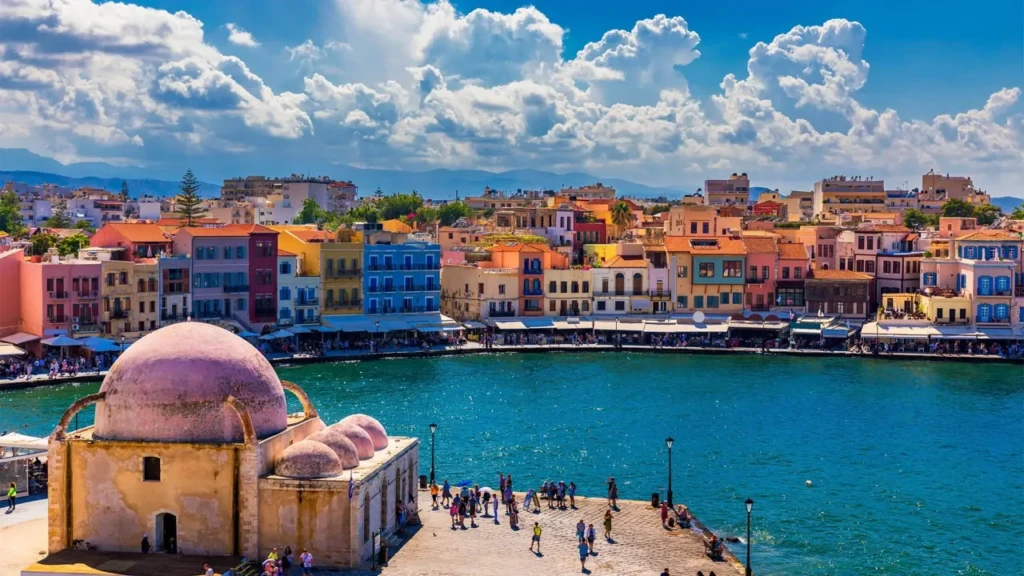
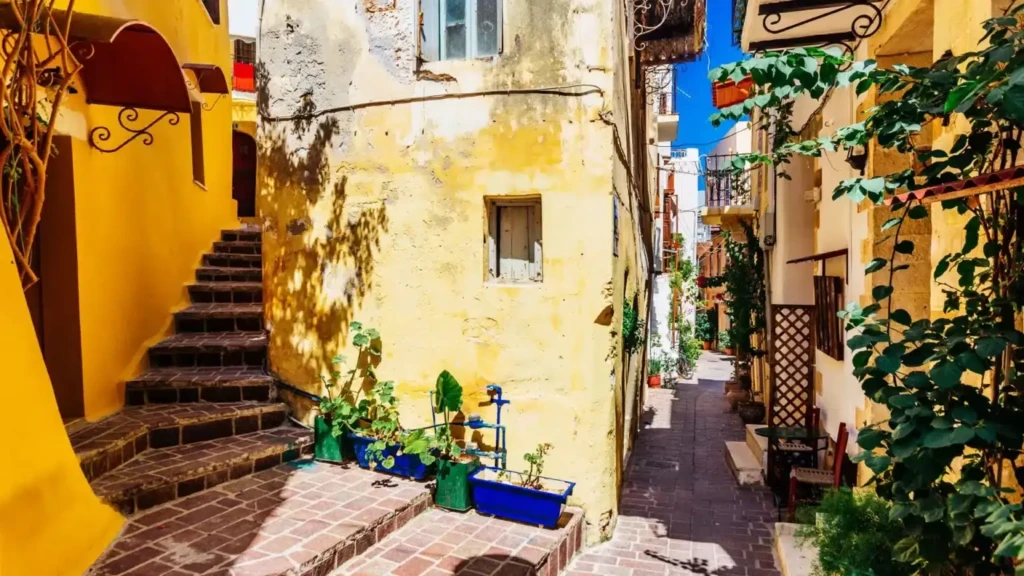
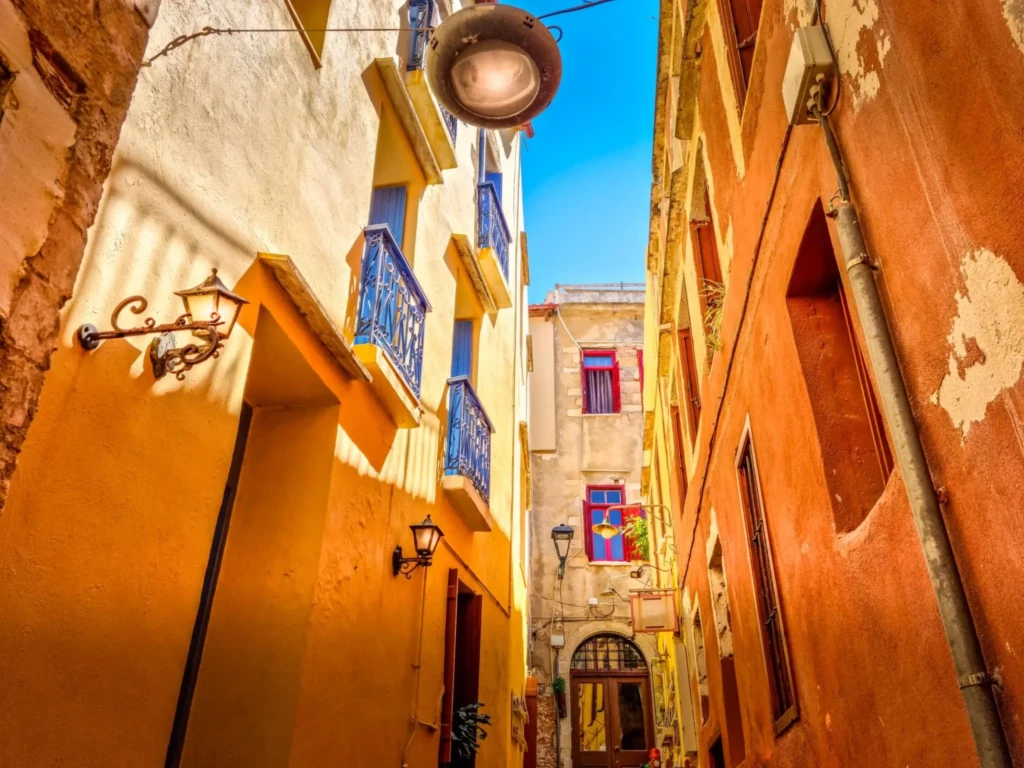
You can take your time here. A coffee by the water, a slow promenade along the harbourfront and lunch in one of the tavernas make for a simple but very satisfying Holy Saturday plan. If you prefer something more relaxed and slightly more local in feel, Nea Chora is another excellent option, especially for lunch by the sea. Both settings work beautifully on this day, but the Old Venetian Harbor of Chania gives the morning a more historic and atmospheric tone.
Holy Saturday Night: Resurrection in a Village Such as Skines
For Holy Saturday night, it is worth leaving the centre and heading into a village setting. In many villages across Crete, the Resurrection service feels more communal, more vivid and more rooted in long-standing local custom than in larger urban churches. A village such as Skines offers exactly that kind of atmosphere, especially if the custom of burning Judas is observed there that year.
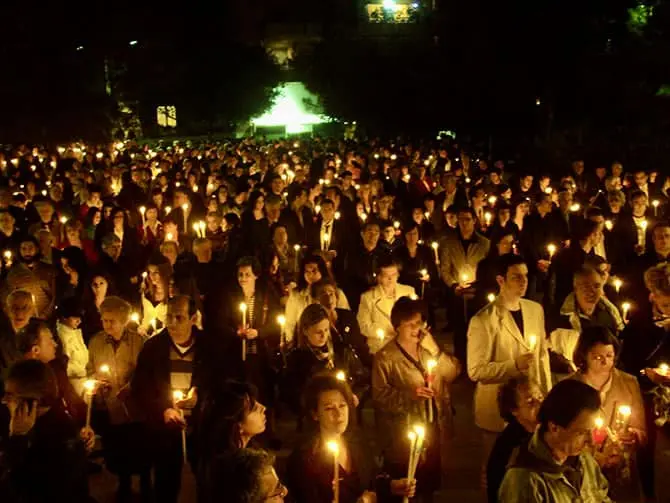
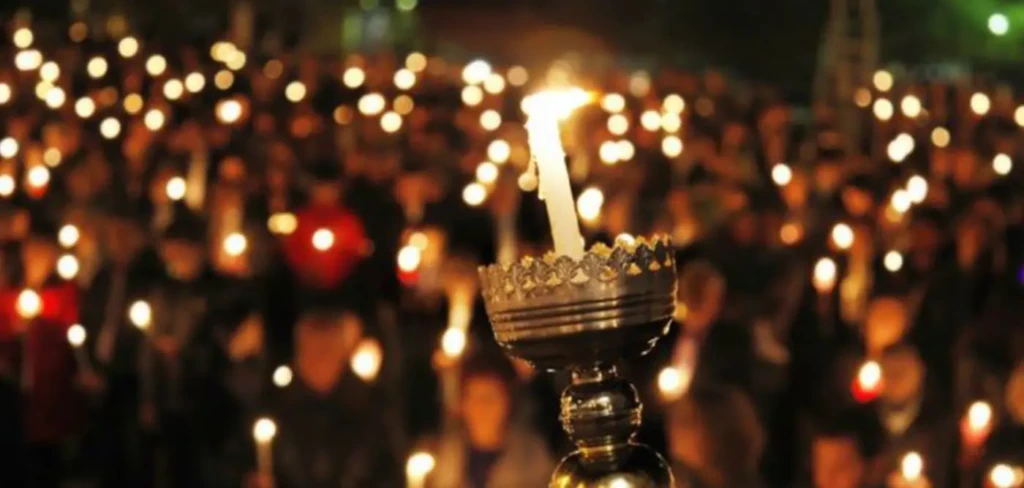
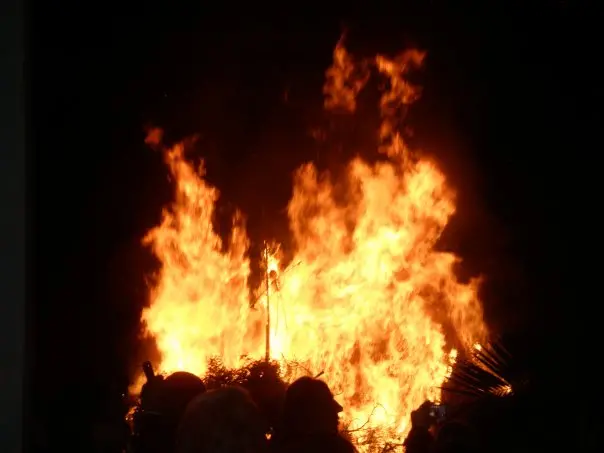
The burning of Judas is one of the most striking Easter customs in Crete. After the Resurrection is announced, a bonfire is lit and an effigy of Judas is burned, creating a dramatic and deeply local expression of the night’s symbolism. Exact arrangements can vary from village to village and from year to year, so it is always sensible to confirm the local programme in advance. Even so, choosing a village service for Holy Saturday gives you a fuller sense of Easter in Chania, not only as a public celebration, but as something held closely within community life.
Easter Sunday: Agia Triada Tzagarolon Monastery
For Easter Sunday, one of the most evocative destinations is the Holy Trinity Monastery of Agia Triada Tzagarolon on the Akrotiri peninsula. This is one of the most important monasteries in the Chania area, admired not only for its religious significance but also for its architecture, olive groves, vineyards and serene monastic setting.
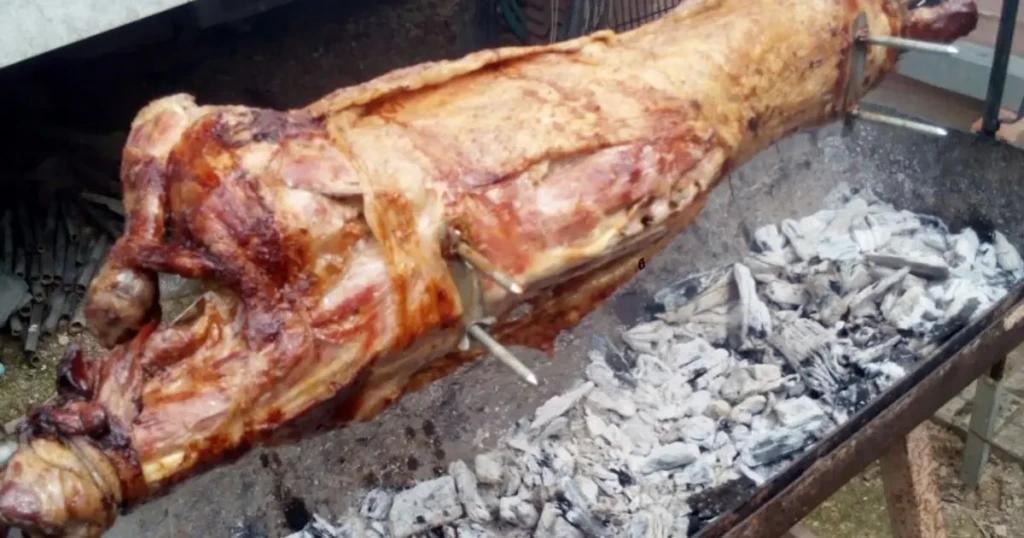
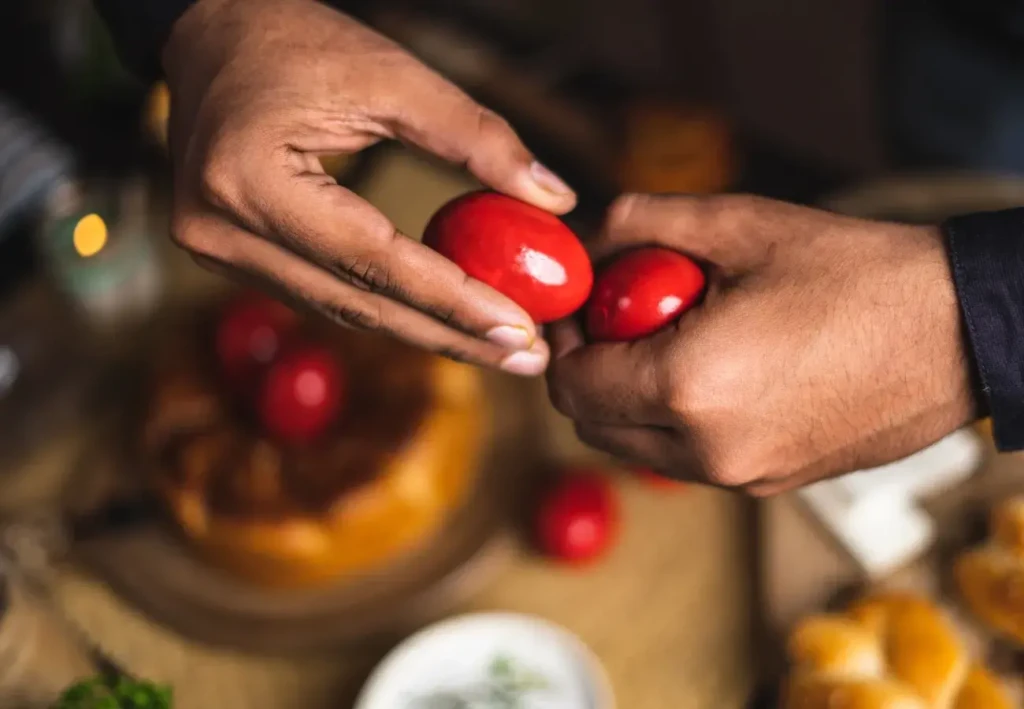
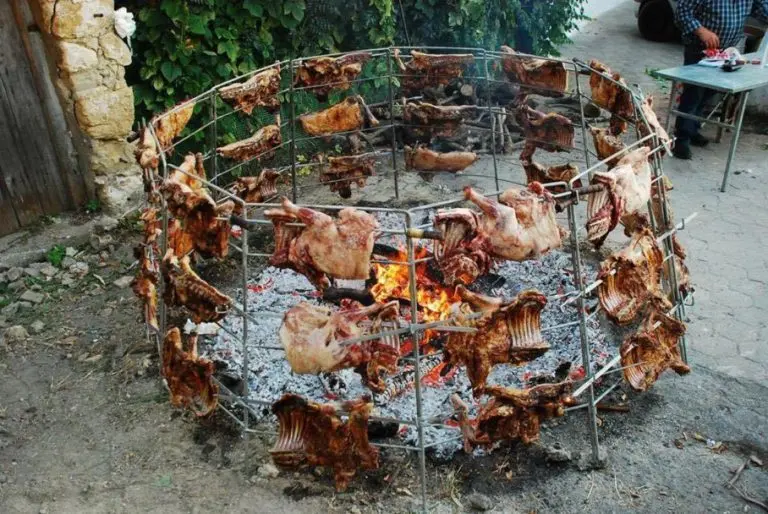
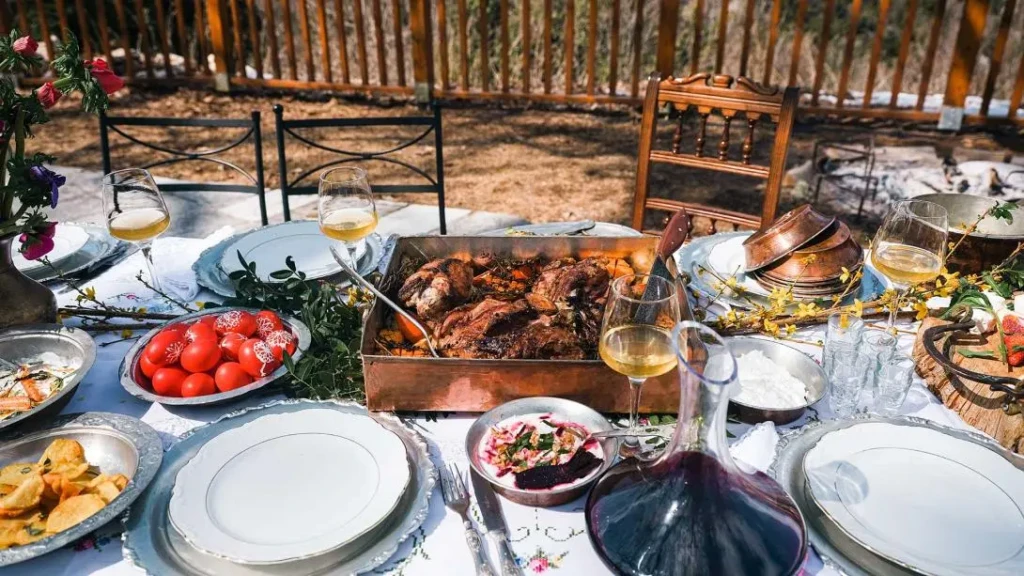
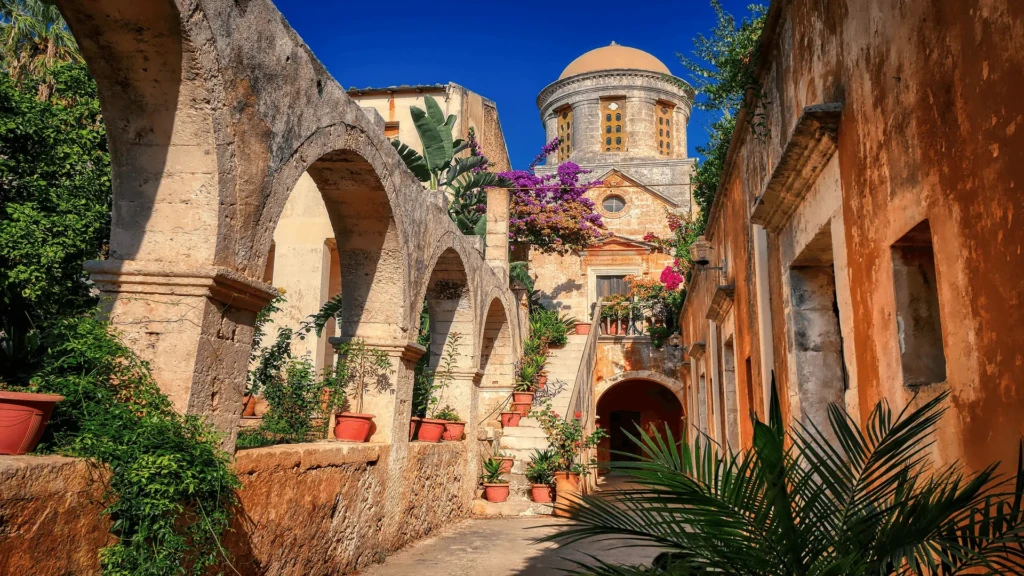
Easter Sunday in Crete is traditionally marked by food, music, family gatherings and festive outdoor celebrations, often centred around lamb roasting and communal meals. Agia Triada suits this day beautifully because it combines the celebratory spirit of Easter with a setting that still feels contemplative and rooted in the spiritual history of the region. If traditional events are held there on the day, they make the experience even more rewarding, though exact yearly arrangements should always be checked locally in advance.
A Suggested Easter Weekend Itinerary in Chania
A beautifully balanced itinerary for Easter in Chania begins on Good Friday morning at the market in Voukolies, where you can experience the rural side of the region in a setting that feels authentic and unhurried. On Good Friday evening, return to the Old Town for the Epitaphios at Trimartiri, one of the most atmospheric and moving moments of the whole weekend.
On Holy Saturday morning, enjoy a walk around the Old Venetian Harbor of Chania and stop for lunch either at the harbour or in Nea Chora. This gives the day a lighter, more relaxed shape before the late-night celebrations. On Holy Saturday night, head to a village such as Skines for the Resurrection service and the burning of Judas, where the atmosphere often feels more intimate and dramatic than in town. Then on Easter Sunday, make your way to Agia Triada Tzagarolon Monastery, where the setting and the traditions of the day come together in a way that feels profoundly Cretan.
Why Easter in Chania Is So Special
What makes Easter in Chania so memorable is the way each place expresses a different part of the same feast. Voukolies introduces you to the rural rhythm of the region. Trimartiri brings the solemn grace of the city. The Old Venetian Harbor of Chania offers a gentler, more reflective pause between the major liturgical moments. A village such as Skines reveals the power of local custom, while Agia Triada opens Easter Sunday into a wider landscape of celebration, spirituality and hospitality.
This is not simply a time to visit churches or watch traditions from a distance. It is a chance to feel how deeply Easter still lives within the social and cultural life of Chania. For travellers who want atmosphere, local identity and a stronger connection to place, this is one of the most rewarding times of year to be here.
Final Thoughts
If you want to see a more meaningful side of Crete, Easter in Chania is one of the finest times to do so. The days from Good Friday to Easter Sunday reveal the region at its most layered, moving from solemn processions and flower-covered churches to bonfires, communal feasts and village celebration.
What makes the experience so memorable is the variety within it. You can begin with the old-world feel of Voukolies, stand in the candlelit streets around Trimartiri on Good Friday night, spend Holy Saturday morning by the Old Venetian Harbor of Chania, and then step into village tradition and monastery celebration as Easter unfolds. It is an experience shaped not only by religion, but by beauty, memory, hospitality and the enduring customs of Chania.
If you are planning your Easter itinerary in Chania, TAXI GO can arrange your transfer by taxi or minivan to the destination of your choice, making it easier to move comfortably between the city, villages and monasteries throughout the holiday weekend. Whether you are heading to Voukolies, Skines, Agia Triada Tzagarolon or anywhere else in the region, you can count on a reliable and stress-free service tailored to your plans.